
Backlinks are one of the most important signals used in search engine optimization. They help search engines discover pages, understand website relationships, and assess the authority of a website. But not every backlink has the same value. SEO backlinks are links from another website to your website. When a reputable website links to a relevant page on your site, it can act as a signal that your content is useful and trustworthy.
However, successful backlinking is not about collecting as many links as possible. The focus should be on getting relevant, natural, and high-quality backlinks from trustworthy websites.
What Are Backlinks?
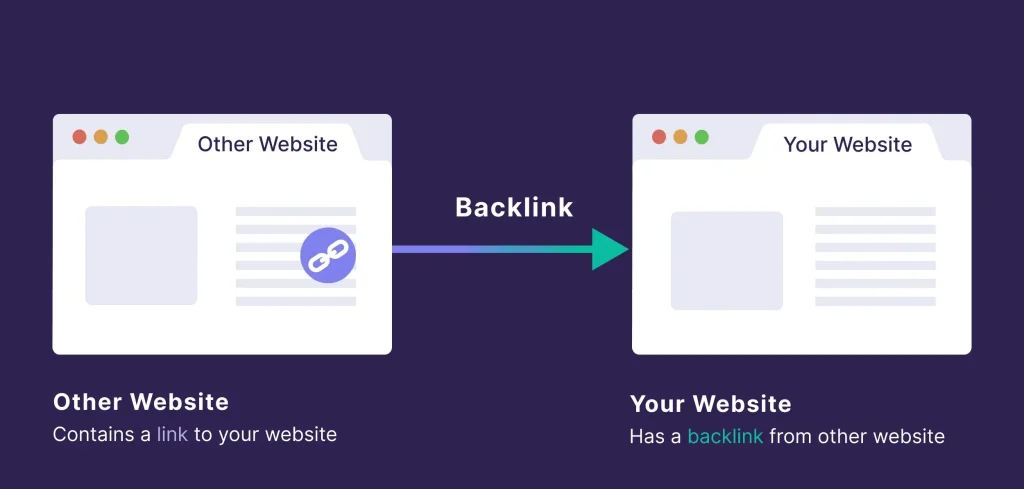
Backlinks are links that point from one website to another. For example, if a marketing website publishes an article about SEO and links to a useful guide on another website, that link is a backlink for the website receiving it.
In simple terms, website A links to website B. For Website B, the link from Website A is a backlink. Backlinks are also called inbound links or incoming links. They are different from internal links, which connect pages within the same website.
What Are Backlinks on a Website?
When looking at a website, backlinks are links coming from external websites to its pages. A website can have backlinks pointing to its homepage, blog posts, service pages, product pages, research, or other resources.
For example, a SaaS company might receive backlinks to:
- Its homepage
- Product pages
- Industry reports
- Original research
- Blog articles
- Case studies
- Free tools
- Educational guides
The quality and relevance of these links matter more than simply having a large number.
Related Article: What Are External Links? A Guide for SEO Professionals
Why Are SEO Backlinks Important?
1. They Can Support Search Rankings
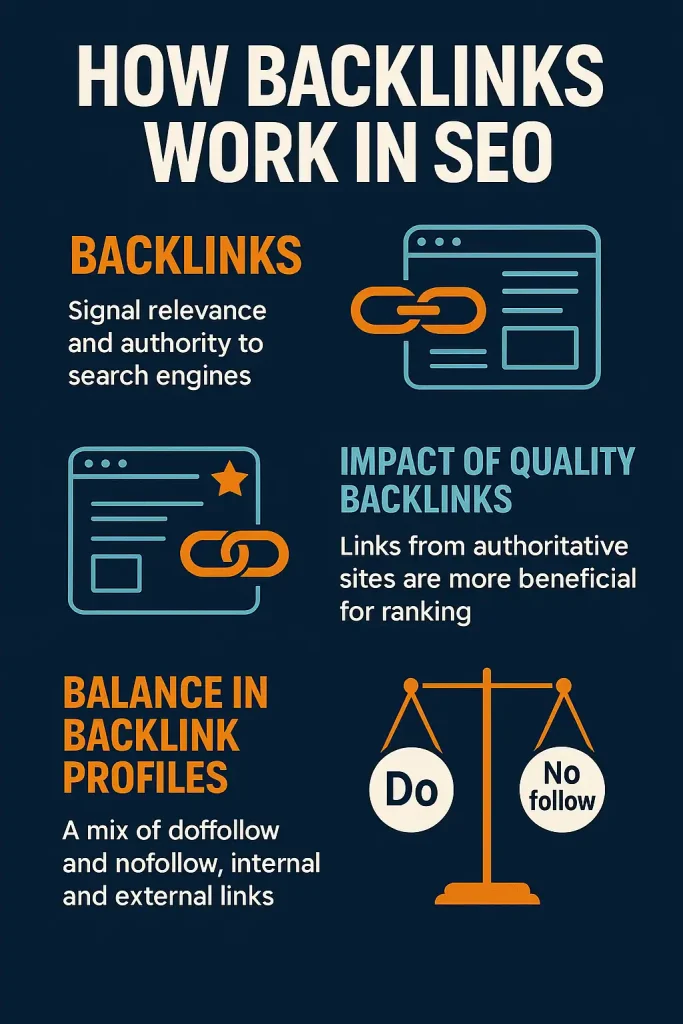
Search engines can use links as signals when evaluating pages. A relevant link from an authoritative website can help demonstrate that a page is useful within a particular topic.
This does not mean that one backlink automatically improves rankings. Search visibility depends on many factors, including content quality, relevance, technical SEO, search intent, and overall website authority.
2. They Can Help Search Engines Discover Content
Search engines use links to discover and navigate between pages. When another website links to a page, that link can provide another path through which crawlers may discover the content.
This can be particularly useful for new pages and websites that are still building their online presence.
3. They Can Bring Referral Traffic
A backlink is not only an SEO signal. People can click it. A link placed within a relevant article, industry publication, resource page, or partner website can send targeted visitors directly to your website.
4. They Can Build Website Credibility
Being mentioned by respected websites can strengthen a brand’s online reputation.
For example, a cybersecurity company receiving links from established technology publications, universities, or respected industry organizations can gain valuable exposure alongside the SEO value of those mentions.
These are some of the major backlink benefits businesses should consider when developing an SEO strategy.
What Makes a Quality Backlink?
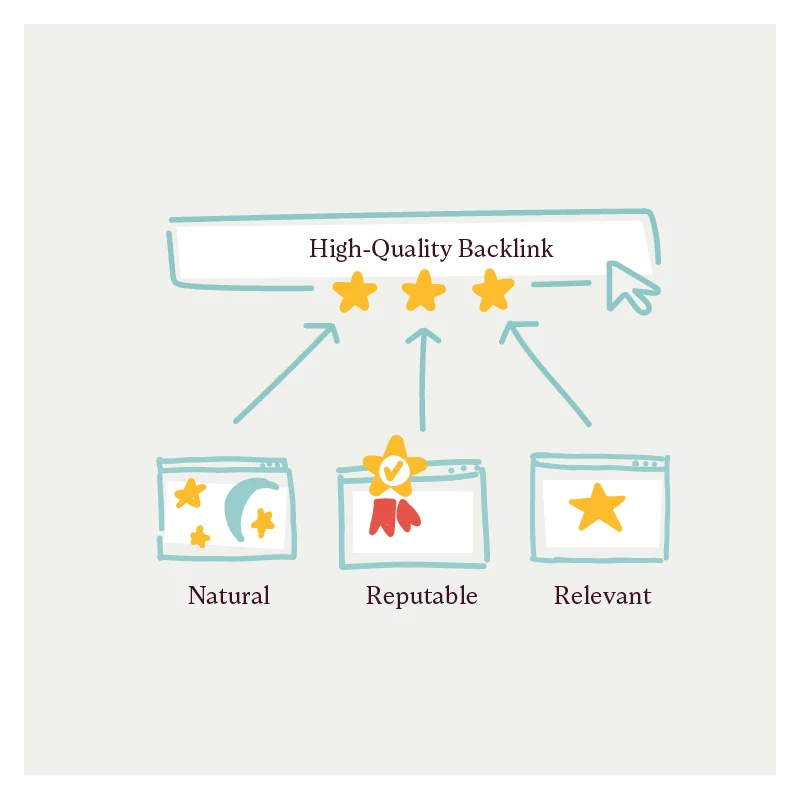
A quality backlink generally comes from a trustworthy, relevant website and exists because the linked content provides genuine value to readers. Important factors include:
Relevance
A backlink should come from a website or page related to your industry or topic. For example, a backlink from a marketing publication to an SEO guide is more relevant than a random link from an unrelated website, in terms of context.
Authority and Trust
Links from established and trustworthy websites can be more valuable than links from low-quality websites created to manipulate search rankings.
Context
Where and how the link appears matters. A naturally placed link within useful editorial content is more meaningful than a link hidden in an unrelated or low-quality article.
Editorial Value
The best backlinks are often earned because another website genuinely wants to reference your content. Original research, useful statistics, expert commentary, comprehensive guides, and unique resources can naturally get your website these links.
Types of SEO Backlinks
Not every backlink serves the same purpose and some of the common types include:
Editorial backlinks: Links naturally included by publishers because your content is useful.
Guest post backlinks: Links obtained through contributing useful content to another relevant website.
Resource page backlinks: Links from pages that curate useful resources on a specific topic.
Business directory backlinks: Links from legitimate business or industry directories.
Digital PR backlinks: Links generated through news coverage, expert commentary, announcements, or original research.
No-follow or sponsored links: Links carrying attributes that tell search engines how the link should be treated. They can still provide referral traffic, visibility, and brand exposure.
How to Get SEO Backlinks
Getting backlinks requires creating something worth referencing and making the right people aware of it. Here are practical backlinking methods.
1. Create Link-Worthy Content
The easiest way to earn backlinks is to create content other websites actually want to reference. Examples include:
- Original research
- Industry statistics
- Detailed guides
- Case studies
- Free tools
- Templates
- Surveys
- Expert roundups
- Original data
- Useful visual resources
Creating valuable, original, and useful content helps attract natural backlinks from other relevant websites.
2. Use Digital PR
Digital PR can help businesses earn mentions and backlinks from publications. A company can develop stories around:
- New research
- Industry trends
- Customer data
- Expert opinions
- Product developments
- Market reports
- Original surveys
Using digital PR to promote valuable stories and industry insights can help earn backlinks and mentions from authoritative publications.
3. Write Relevant Guest Content
Guest posting can be part of a legitimate backlinking strategy when the primary goal is to provide valuable content to a relevant audience.
Choose websites carefully. The publication should have a genuine audience and be relevant to the subject being discussed. Avoid producing large amounts of low-quality guest content solely to obtain links.
4. Build Relationships With Industry Websites
Networking can create legitimate opportunities for backlinks. Connect with:
- Industry publications
- Bloggers
- Journalists
- Business organizations
- Professional associations
- Podcast hosts
- Complementary businesses
- Subject-matter experts
Building relationships with relevant industry websites, bloggers, journalists, organizations, and experts can create legitimate opportunities to earn high-quality backlinks.
5. Find Unlinked Brand Mentions
Sometimes a website mentions a company, product, or research without linking to it. Finding these mentions and politely asking whether the publisher can add a relevant link can be an effective tactic. The request should make sense for the reader rather than simply demanding a backlink.
6. Promote Original Research
Original data is highly linkable. For example, a SaaS company could publish a report analyzing customer behavior or industry trends. Other websites may reference those findings when creating their own content. This can generate multiple natural backlinks over time.
Should You Buy Backlinks?
The question of whether to buy backlinks comes up frequently in SEO. Buying links specifically to manipulate search rankings is risky. Low-quality paid links can create an unnatural backlink profile and may violate search engine guidelines.
That does not mean every paid placement is inherently problematic. Advertising, sponsorships, and legitimate partnerships can include links when they are properly disclosed and use appropriate link attributes.
The important distinction is between paying for legitimate exposure and paying specifically to manipulate organic rankings. A sustainable SEO strategy should prioritize earned links over mass purchasing.
How to Build a Backlinking Strategy
A strong backlinking strategy should be systematic instead of being random and it should start with these steps:
- Auditing existing backlinks.
- Analyzing competitors
- Creating linkable assets
- Building a prospect list
- Conducting outreach
- Tracking results
- Continuing creating valuable content
Common Backlinking Mistakes to Avoid
Backlinking can become harmful when quantity becomes more important than quality so avoid:
- Buying large numbers of cheap backlinks
- Using irrelevant websites
- Creating links solely for manipulation
- Excessive exact-match anchor text
- Automated link-building schemes
- Spammy directories
- Private networks created to manipulate rankings
- Publishing low-quality guest posts at scale
- Ignoring the relevance of linking websites
A natural backlink profile usually develops over time through useful content, genuine relationships, PR, partnerships, and industry recognition.
How Many Backlinks Does a Website Need?
There is no universal number of backlinks a website needs to rank. The required level of authority can vary depending on the industry, keyword, competition, location, website strength, and search intent.
Instead of setting a target such as “100 backlinks,” focus on acquiring relevant, high-quality backlinks while improving the content and overall SEO of the website.
A competitor may have thousands of backlinks, but that does not mean every one of those links is valuable.
Final Thoughts
SEO backlinks remain an important part of a comprehensive search engine optimization strategy. They can help search engines find content, support authority, generate referral traffic, and strengthen online credibility.
However, effective backlinking is not about collecting links at any cost. The strongest approach is to create genuinely useful content, build relationships within the industry, earn editorial mentions, promote original research, and pursue relevant link opportunities.
FAQs
1. Can backlinks improve website traffic?
Yes. Relevant backlinks can send referral visitors directly to your website while also supporting organic search visibility.
2. How can I check my website’s backlinks?
You can use SEO tools such as Google Search Console, Ahrefs, or Semrush to find referring domains and analyze your backlink profile.
3. Are backlinks important for new websites?
Yes. Quality backlinks can help new websites build credibility and visibility, especially when combined with strong content and technical SEO.
4. Do backlinks from social media help SEO?
Social links may provide referral traffic and brand exposure, but they generally do not carry the same ranking value as editorial backlinks.