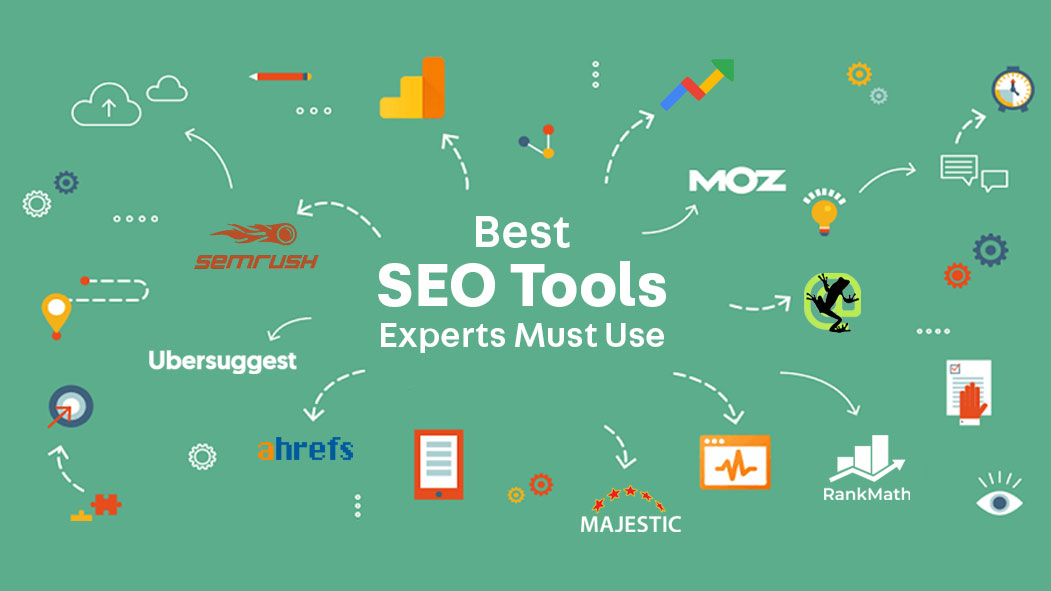
However, collecting data is only the first step. SEO professionals need to turn that information into clear reports that explain what happened, why it matters, and what should happen next. This is where SEO reporting tools become helpful. They bring information from different SEO and analytics sources into dashboards and reports that can be shared with clients, managers, marketing teams, and other stakeholders.
The right SEO reporting tool can save time, improve transparency, and make SEO performance easier to understand. So, below are 10 of the best options to consider in 2026.
What Are SEO Reporting Tools?
SEO reporting tools are platforms or software solutions that collect, analyze, visualize, and present SEO performance data. Depending on the platform, reports may include:
- Keyword rankings
- Organic traffic
- Search impressions
- Click-through rates
- Backlinks
- Technical SEO health
- Competitor visibility
- Conversions
- Revenue
- Local search performance
Some platforms specialize in SEO data, while others connect multiple marketing and analytics sources to create customized dashboards.
10 Best SEO Reporting Tools in 2026
1. SEMrush
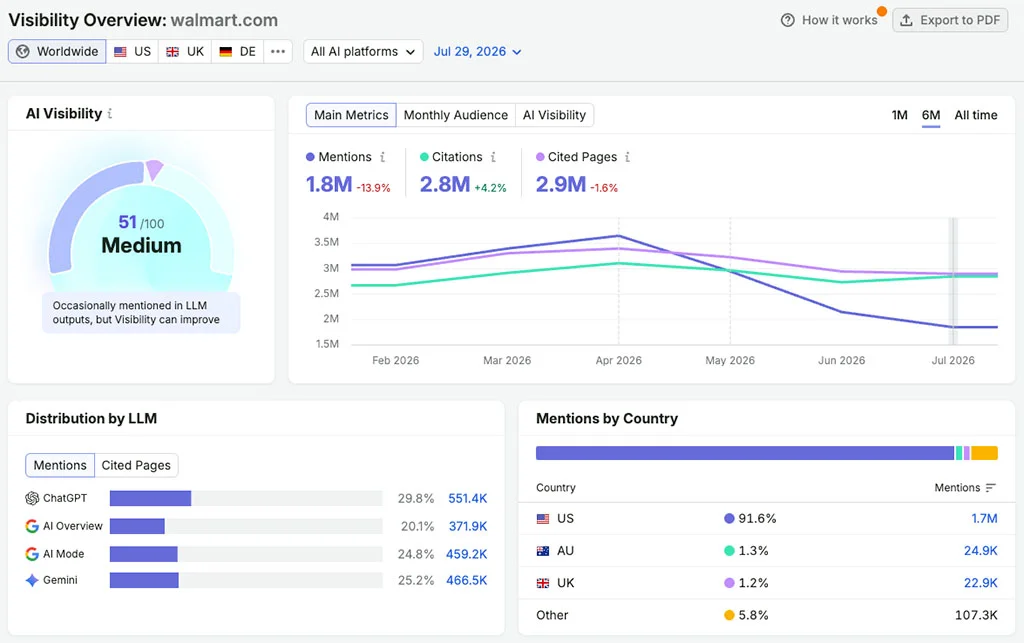
Semrush is one of the most comprehensive SEO platforms available. Its reporting capabilities cover keyword rankings, organic research, backlinks, technical SEO, competitor analysis, and other areas of digital marketing.
Its customizable reporting functionality makes it particularly useful for agencies managing multiple clients. It’s most useful for position tracking, site auditing, competitor research, backlink analysis, custom reports, and agency reporting capabilities.
2. Ahrefs
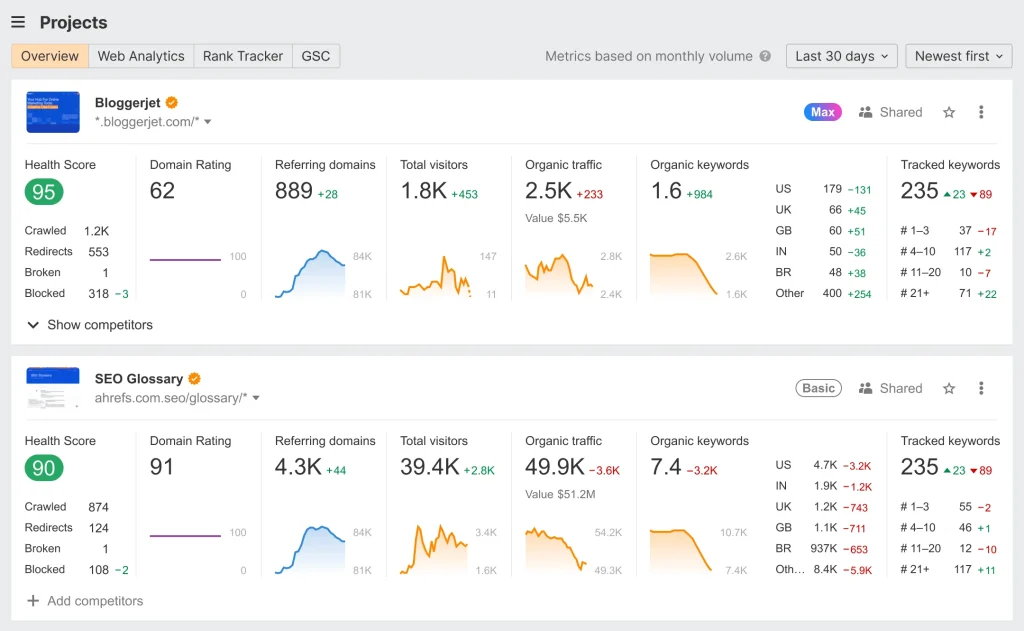
Ahrefs is known for its backlink database and comprehensive SEO research capabilities. Its reporting features allow users to monitor organic visibility, keyword rankings, backlinks, competitors, and site health.
For businesses that place a strong emphasis on content and backlink performance, Ahrefs can provide valuable reporting data. It is most useful for rank tracking, backlink analysis, site audits, competitor research, organic traffic analysis, and content research.
3. Google Search Console
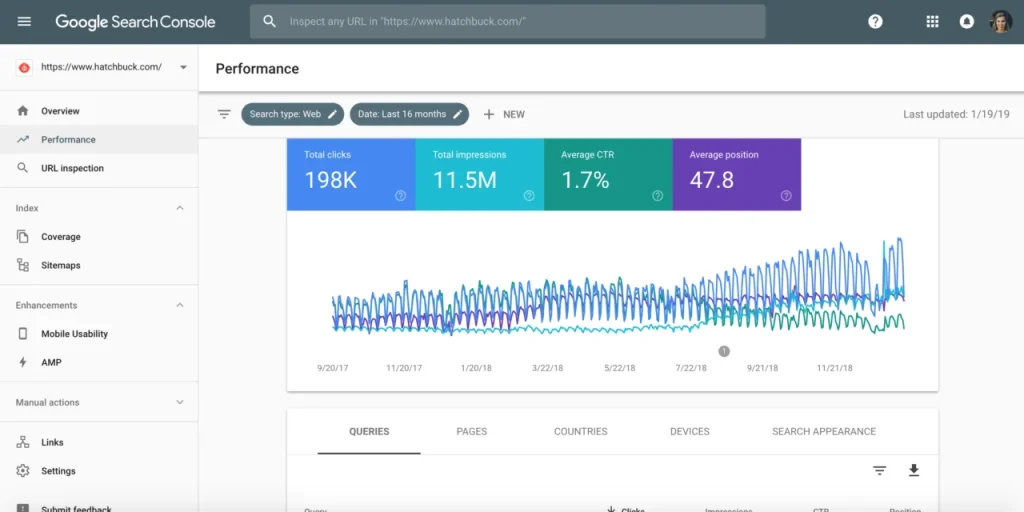
Google Search Console is a free platform provided by Google that provides first-party information about how websites perform in Google Search.
It reports metrics such as clicks, impressions, average position, and click-through rate. It can also provide information about indexing and technical search issues.
While it is not a complete client-reporting platform, it is an essential data source for SEO reporting. It is mostly used for its search performance data, indexing insights, search queries, impressions and clicks, and technical search information.
4. Google Analytics
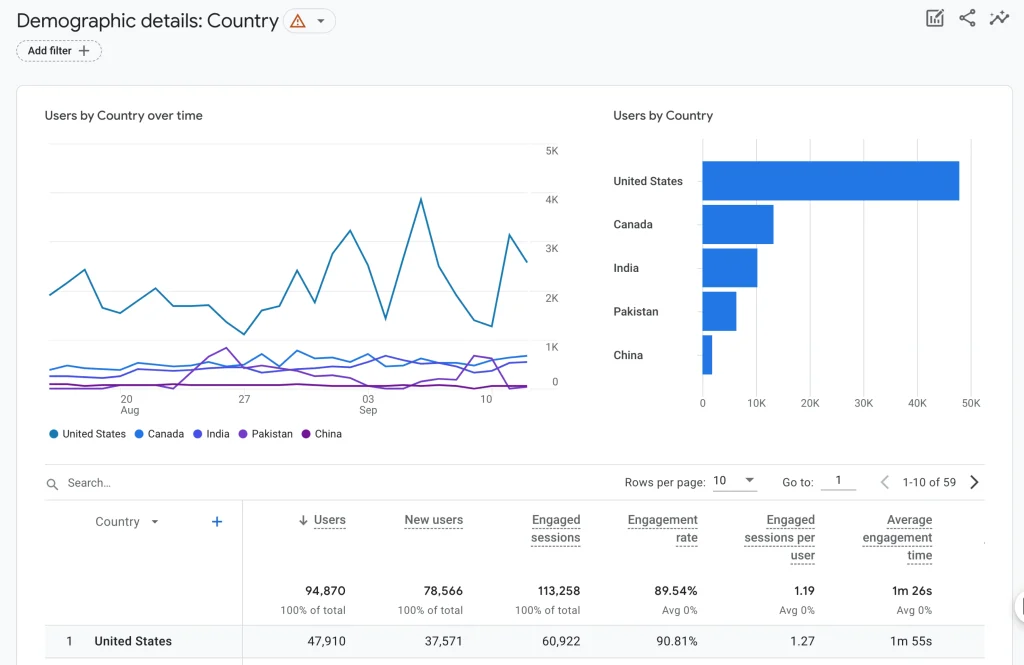
Google Analytics provides detailed information about website traffic and user behavior.
For SEO reporting, it can complement search data by showing what visitors do after arriving on a website through organic search. SEO teams can use it to analyze:
- Organic sessions
- Engagement
- Conversions
- Landing pages
- User journeys
- Revenue
5. Looker Studio
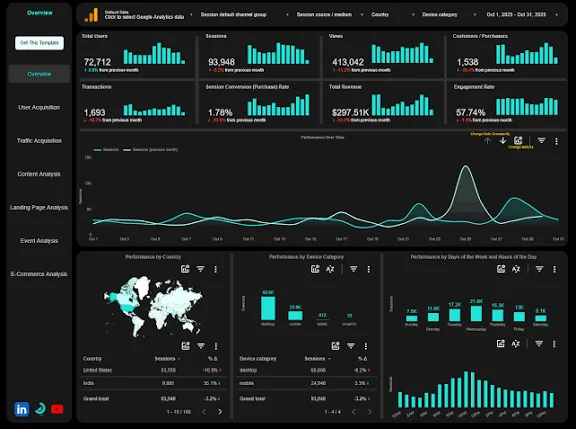
Looker Studio is a reporting and data visualization platform that can combine information from different sources.
It is especially useful when an SEO team wants to create customized dashboards using data from Google Search Console, Google Analytics, spreadsheets, and other connected sources.
6. SE Ranking
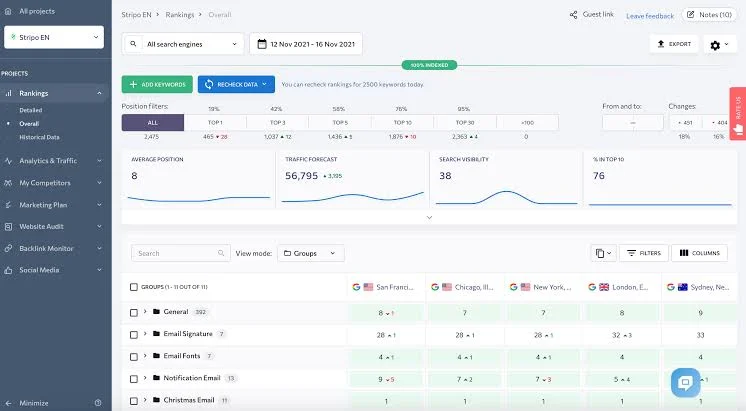
SE Ranking provides a broad range of SEO features, including keyword rank tracking, website auditing, competitor analysis, and reporting.
Its reporting functionality can be useful for agencies and businesses that want recurring SEO performance reports without relying on multiple separate platforms.
7. AgencyAnalytics
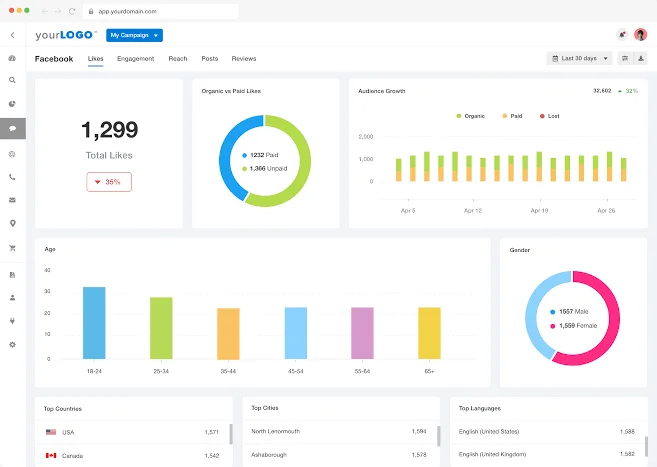
AgencyAnalytics is designed specifically around agency reporting and client dashboards. It can connect data from multiple marketing channels and present it through customizable dashboards and automated reports.
For agencies, this can reduce the amount of manual work involved in preparing monthly client updates.
8. SEOMonitor
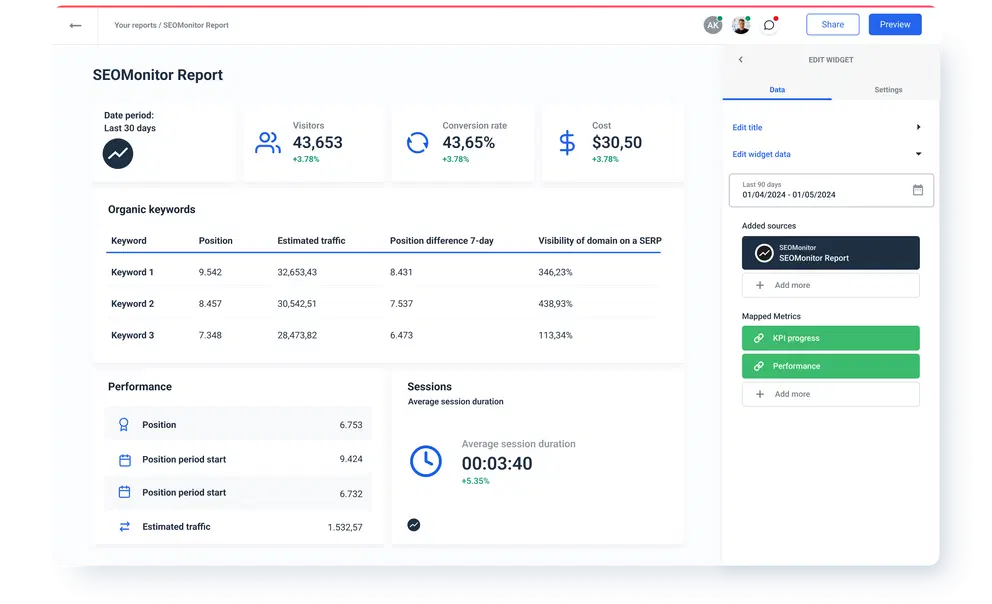
SEOMonitor focuses on SEO agencies and campaign management. Its reporting capabilities are designed to help agencies monitor rankings, campaign performance, visibility, and other SEO indicators while presenting information in a client-friendly format.
9. Wincher
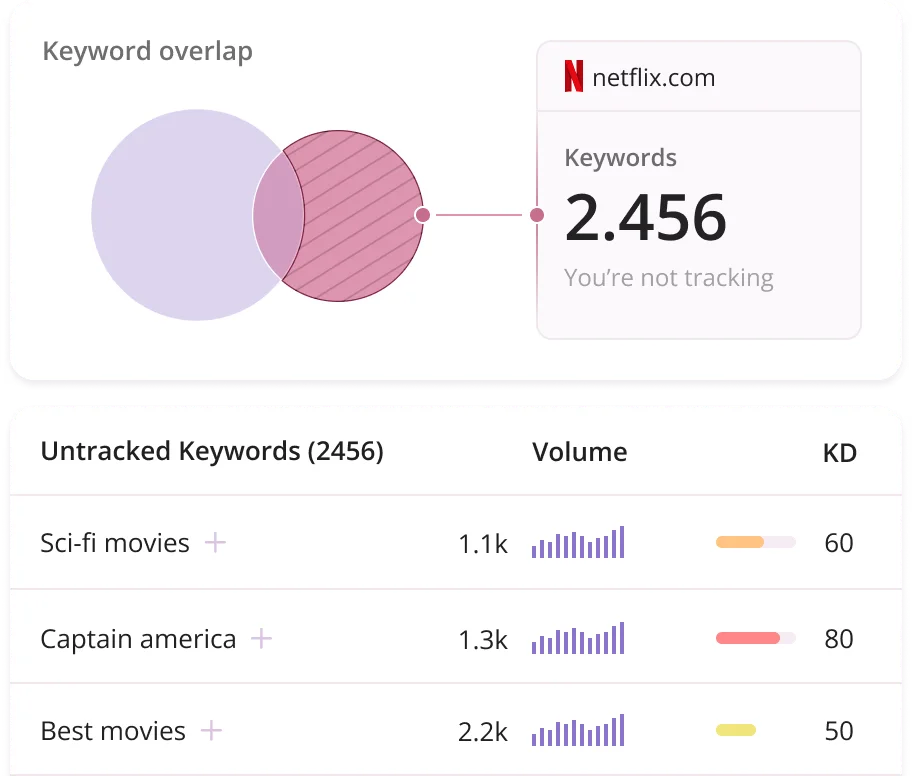
Wincher specializes in rank tracking and provides reporting around keyword positions and search visibility. For businesses whose primary reporting requirement is monitoring keyword performance, a focused platform like Wincher can be easier to manage than a much larger SEO suite.
10. Raven Tools
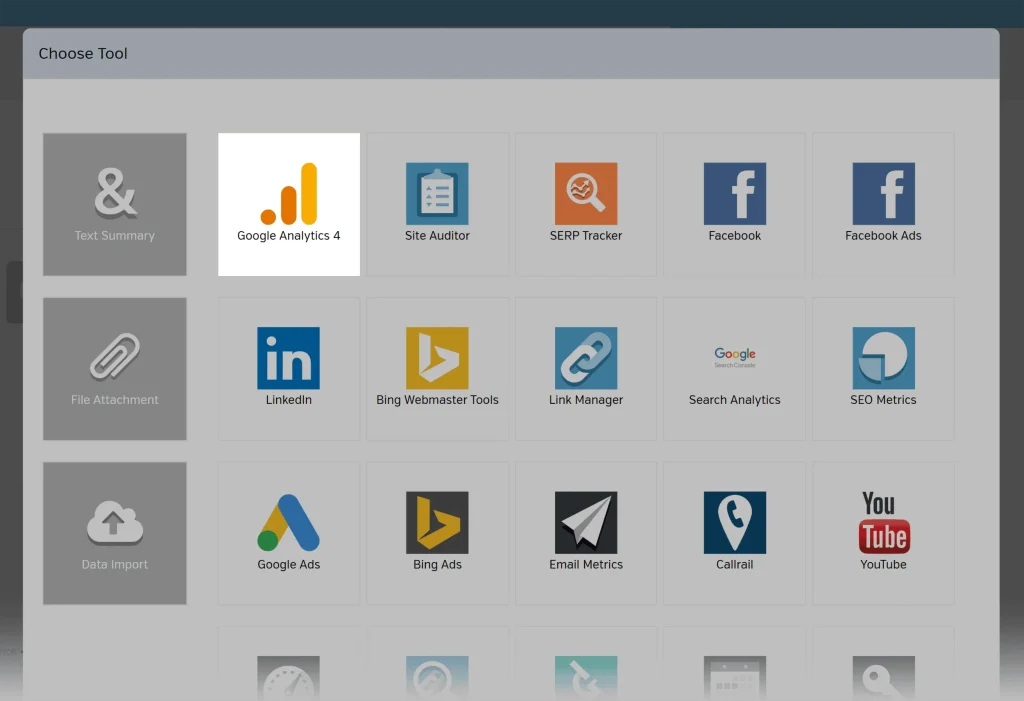
Raven Tools offers SEO and marketing reporting features for agencies and marketers. It can bring information from multiple marketing platforms into reports and dashboards, making it useful for teams that need centralized client reporting.
SEO Analytics Reporting: What Should You Include?
The right and effective SEO analytics reporting should focus on metrics that answer business questions including:
- Organic Traffic
- Search Visibility
- Conversions
- Top-Performing Pages
- Keyword Performance
- Technical SEO
- Recommendations
How to Choose the Best SEO Report Tool
The best SEO report tool depends on your specific requirements including:
For Agencies: Choose platforms with automated reporting, white-label dashboards, client access, and multiple integrations.
For Small Businesses: A combination of Google Search Console, Google Analytics, and a reasonable SEO platform may be sufficient.
For SEO Specialists: Prioritize detailed ranking, backlink, competitor, and technical SEO data.
For Enterprise Teams: Look for scalability, APIs, advanced permissions, international tracking, and integration capabilities.
For Custom Reporting: Looker Studio can be particularly useful when you need dashboards tailored to specific stakeholders or business metrics.
Final Thoughts
The best SEO reporting tools do more than collect numbers. They help marketers understand performance and communicate the value of SEO clearly.
Platforms such as Semrush and Ahrefs provide extensive SEO data, while Google Search Console and Google Analytics provide essential first-party performance information. Looker Studio is useful for customized dashboards, while agency-focused platforms such as AgencyAnalytics and SEOMonitor can simplify client reporting.
The right choice ultimately depends on your website size, reporting requirements, budget, number of clients, and the metrics that matter most to your business.
Frequently Asked Questions
1. What are SEO reporting tools?
SEO reporting tools are platforms that collect and present search engine optimization data such as keyword rankings, organic traffic, impressions, backlinks, technical SEO performance, and conversions.
2. What is the best SEO reporting tool in 2026?
The best tool depends on your requirements. Semrush and Ahrefs are strong all-in-one options, Google Search Console is essential for first-party Google Search data, and Looker Studio is useful for creating customized dashboards.
3. How often should SEO reports be generated?
Most businesses generate SEO reports monthly because this provides enough time for meaningful performance changes to develop. Larger SEO teams may also use weekly dashboards for monitoring while keeping formal performance reports monthly or quarterly.
4. What should an SEO report include?
An effective SEO report should include organic traffic, keyword rankings, search impressions, clicks, conversions, top-performing pages, significant ranking changes, technical SEO issues, and actionable recommendations for the next reporting period.