

Every business is almost facing a similar challenge where customers are becoming resistant to traditional advertising. Today customers ignore banner ads, promotional emails often go unopened, and paid ads struggle to build and earn trust. As audiences spend more time following creators on social media, brands need a more authentic way to connect with customers. To know how influencer marketing strategy connects with businesses with trusted creators to build credibility and achieve best results, read more.
What Is an Influencer Marketing Strategy?
An influencer marketing strategy is a plan that outlines how a business connects or partners with content creators. This partnership is aimed at achieving specific marketing goals.
Instead of simply paying influencers to promote products, it focuses on selecting the right creators, identifying the ideal audience, setting campaign objectives, and measuring performance.
The influencer marketing concept is built on trust. Followers view influencers as reliable sources of information because they have developed relationships with their communities over time. When a recommendation is given by such creators, audiences are more likely to engage with the brand and make purchasing decisions.
Why Is an Influencer Marketing Strategy Important?
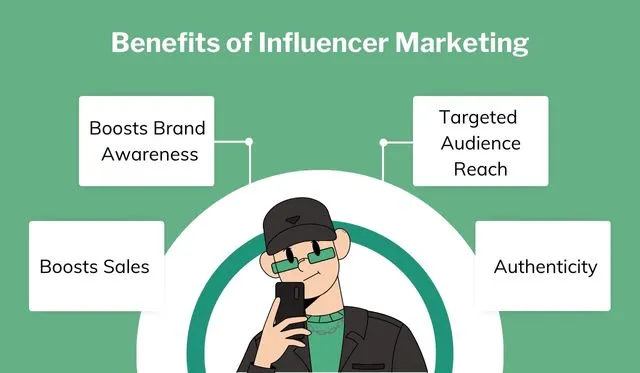
In influencer marketing a strategic approach ensures every partnership with influencer aligns with your brand and target customers. Some of the biggest influencer marketing objectives include:
- Increasing brand awareness
- Building consumer trust
- Increasing website traffic
- Generating qualified leads
- Improving online engagement
- Increasing product sales
- Creating user-generated content
- Building long-term customer loyalty
What Are the Main Components of Influencer Marketing Strategy?
To make an influencer marketing strategy effective, several elements are important and work together. It includes:
Define Clear Marketing Goals
Before contacting influencers, assess exactly what you need:
- Are you launching a new product?
- Do you want more website traffic?
- Are you looking to generate online sales?
- Do you want to improve brand recognition?
- Is audience engagement your primary goal?
Identify Your Target Audience
One of the biggest mistakes businesses make is choosing influencers before understanding their audience. You must identify:
- Age group
- Gender
- Geographic location
- Interests
- Buying behaviour
- Preferred social platforms
Audience relevance almost always gets you better results than follower size. For example, a fitness apparel company will benefit more from collaborating with a micro fitness creator than a celebrity lifestyle influencer whose audience has little interest in health and wellness.
Choose the Right Social Media Platform
Different social media platforms have different audiences and content formats. So, consider where your customers spend their time:
- Instagram for lifestyle, fashion and beauty
- TikTok for short-form entertainment
- YouTube for tutorials and product reviews
- LinkedIn for B2B thought leadership
- Facebook for local communities and established audiences
Select the Right Influencers
In influencer marketing successful partnerships depend on more than follower numbers. So you should evaluate creators based on:
- Audience demographics
- Engagement rate
- Content quality
- Brand alignment
- Authenticity
- Previous partnerships
- Community trust
Develop an Influencer Campaign Strategy
Instead of providing rigid scripts, allow influencers to communicate naturally in their own voice. However, campaign briefs should clearly explain:
- Campaign goals
- Deliverables
- Brand guidelines
- Timeline
- Required disclosures
- Success metrics
Use the Right Influencer Marketing Tactics
Effective campaigns have several influencer marketing tactics instead of relying on a single promotional post. Some approaches include:
- Product reviews
- Unboxing videos
- Giveaway campaigns
- Affiliate partnerships
- Brand ambassador programmes
- Live product demonstrations
- Tutorial videos
- User-generated content campaigns
Measure Campaign Performance
Every campaign should end with data analysis. So, you should track metrics such as:
- Reach
- Impressions
- Engagement rate
- Website traffic
- Click-through rate
- Conversion rate
- Revenue generated
- Return on investment (ROI)
How to Build an Influencer Marketing Strategy in 7 Steps
1. Set SMART Campaign Goals
2. Research Your Audience
3. Find the Right Influencers
4. Build Partnerships
5. Launch Your Campaign
6. Monitor Performance
7. Optimise Future Campaigns
Common Mistakes to Avoid
Even well-funded campaigns can fail without proper planning. Therefore, it’s important to avoiding common mistakes including:
- Choosing influencers based solely on follower count
- Ignoring audience demographics
- Setting unrealistic expectations
- Providing restrictive creative briefs
- Measuring only likes and comments instead of business outcomes
- Failing to disclose sponsored partnerships
Meta platforms remain one of the most influential platforms for creator collaborations because of its visual-first content and engaged communities. Therefore, no costly mistakes should be made that can affect business outcomes.
Conclusion
A successful influencer marketing strategy more than partnering with creators. It requires clear objectives, audience research, careful influencer selection, collaborations, and continuous performance analysis.
By following a structured approach, businesses can create campaigns that strengthen brand credibility, engage the right audience, and deliver best returns on investment.
Whether you are launching your first campaign or refining your existing approach, start with a clear plan, measurable objectives, and creators who genuinely connect with your audience. Investing in strategy before execution will help maximize your marketing budget and generate long-term business results.
Frequently Asked Questions
1. How do influencer marketing strategies help businesses grow?
A well-planned influencer marketing strategies improve brand visibility, build consumer trust, reach targeted audiences, and increase conversions by partnering with trusted creators who have established relationships with their followers.
2. What is the influencer marketing process?
The influencer marketing process includes defining goals, researching the target audience, selecting suitable influencers, creating campaign briefs, launching campaigns, monitoring performance, and improving business results.
3. What are the main influencer marketing objectives?
Common influencer marketing objectives include increasing brand awareness, increasing website traffic, generating leads, increasing sales, improving customer engagement, creating user-generated content, and strengthening brand loyalty.
4. Why is an Instagram influencer marketing strategy important?
An effective Instagram influencer marketing strategy allows brands to connect with highly engaged audiences through Reels, Stories, creator collaborations, to influence buying decisions.