
Social media marketing has moved far beyond simply posting content consistently. Brands now use social platforms to build communities, start conversations, encourage participation, generate sales, and create experiences that audiences want to share. The real social media marketing case studies which can help businesses understand why certain campaigns succeed. The most useful examples do more than show impressive numbers. They reveal the strategy behind those results and what other businesses can apply.
1. PTCL’s “Maa The Digital Expert”: Combining Education With Social Media

Not every successful campaign needs to rely on entertainment or viral trends. PTCL‘s #MAATheDigitalExpert campaign in Pakistan focused on digital safety and educating audiences about online risks.
According to Effie Pakistan’s 2025 case-study results, the campaign generated 86 million impressions, 14 million reach, 300,000 clicks, and 8 million video views. A post-campaign survey also reported a reduction in clickbait interactions.
The Strategy
The campaign used a familiar cultural figure, the mother to communicate an important digital-safety message in a relatable way. Rather than presenting online safety as a technical subject, the campaign connected it with everyday family behaviour.
What Businesses Can Learn
Educational content performs better when it is presented in a way the intended audience immediately understands. Instead of simply saying what your product does, consider creating content around:
- Common customer problems
- Mistakes people make
- Practical tips
- Myths and misconceptions
- Short educational videos
This is useful for B2B companies and professional services where audiences need information before making a purchase.
2. L’Oréal Pakistan’s #ViralBeauty: Turning Trends Into Commerce

L’Oréal Pakistan’s #ViralBeauty campaign provides a useful example of how social media can connect trends, creators, and e-commerce.
The campaign used TikTok beauty trends and a full-funnel influencer strategy to encourage both engagement and shopping behaviour. Effie Pakistan reports that the campaign delivered 2X e-commerce growth versus the market and generated 22% advocacy-contributed sales.
The Strategy
Instead of treating TikTok simply as an awareness channel, the campaign connected content with the customer journey. Creators and trends attracted attention, while the broader campaign encouraged consumers to move toward shopping.
What Businesses Can Learn
A social campaign does not have to stop at engagement. Businesses can design content journeys that move audiences from:
- Discovery
- Interest
- Consideration
- Purchase
This makes #ViralBeauty is one of the more useful social media campaign examples for businesses that want measurable commercial results.
3. 7UP Mixology: Using Audience Participation to Create Content
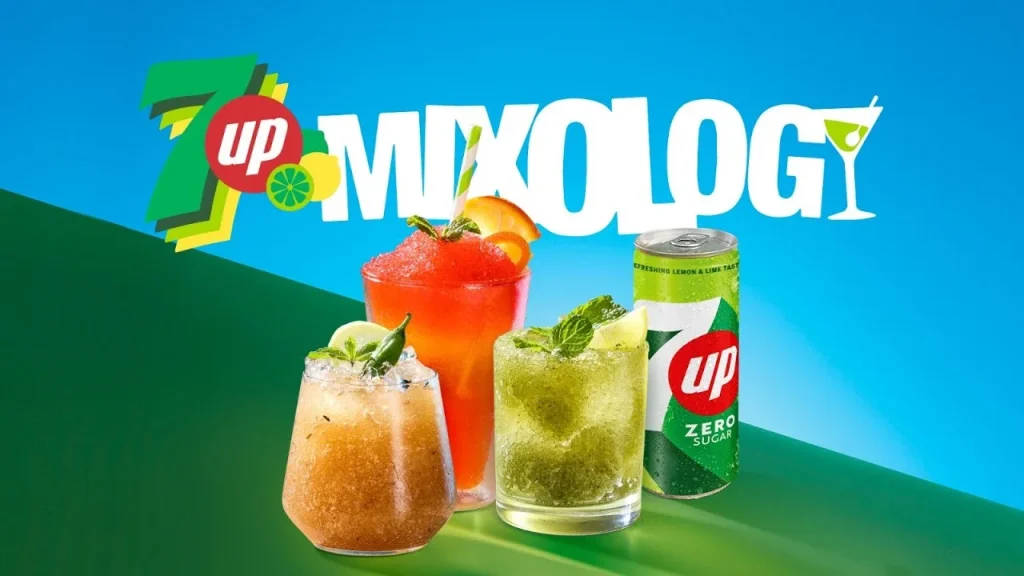
7UP’s Mixology campaign in Pakistan shows how brands can turn audience participation into a social content strategy.
The campaign positioned 7UP as a mixer for Iftar occasions during Ramadan. It used crowdsourced recipes, culinary experts, and digital platforms to engage younger consumers.
Effie Pakistan reports that the campaign generated 104 million impressions and a 9.65% purchase-intent lift, while also improving brand-equity measures.
The Strategy
Rather than simply telling consumers how to use the product, the campaign invited them into the idea by encouraging recipe creation and participation. That gave the campaign both a cultural connection and a content-generation mechanism.
What Businesses Can Learn
Participation can make branded content feel less like advertising. Businesses can invite audiences to:
- Submit ideas
- Vote on products
- Share recipes
- Participate in challenges
- Create their own versions
- Answer questions
- Share experiences
The easier the participation, the easier it becomes to generate additional content and engagement.
What These Social Media Marketing Case Studies Have in Common
- The Audience Comes First
- Content Has a Clear Purpose
- Participation Creates Stronger Engagement
- Social Media Should Connect to Business Goals
Final Thoughts
These five Social Media Marketing Case Studies demonstrate that successful campaigns can take many forms.
PTCL turned digital safety into relatable educational content. L’Oréal connected TikTok trends with commerce. 7UP used participation and cultural relevance to engage its audience.
The common lesson is that successful social media starts with understanding what your audience wants to see, do, share, or experience. When that understanding is combined with a clear objective and strategy, social media can become much more than another publishing channel.
FAQs
1. What makes a social media marketing campaign successful?
A successful campaign generally combines a clear objective, audience insight, relevant creative content, effective platform selection, and measurable results.
2. Why is user-generated content effective on social media?
User-generated content can provide authentic customer perspectives while encouraging participation and giving brands additional content to share.
3. How can small businesses use these social media strategies?
Small businesses can adapt tactics such as educational content, customer stories, creator partnerships, personalization, and interactive campaigns without needing the budgets of major brands.
4. Which metrics should businesses track for social media campaigns?
The right metrics depend on the objective, but common measures include reach, engagement, shares, clicks, leads, website traffic, conversions, and sales.