
If you run an online store, getting your products in front of the right customers is important. One of the most effective ways to do this is through search engine optimization. These ecommerce SEO tips can help beginners improve their website visibility, attract organic traffic, and create a better shopping experience.
You do not need to be an SEO expert to get started. With the right approach, you can optimize your product pages, improve your website structure, target useful keywords, and build a stronger foundation for long-term growth.
What Is Ecommerce SEO?
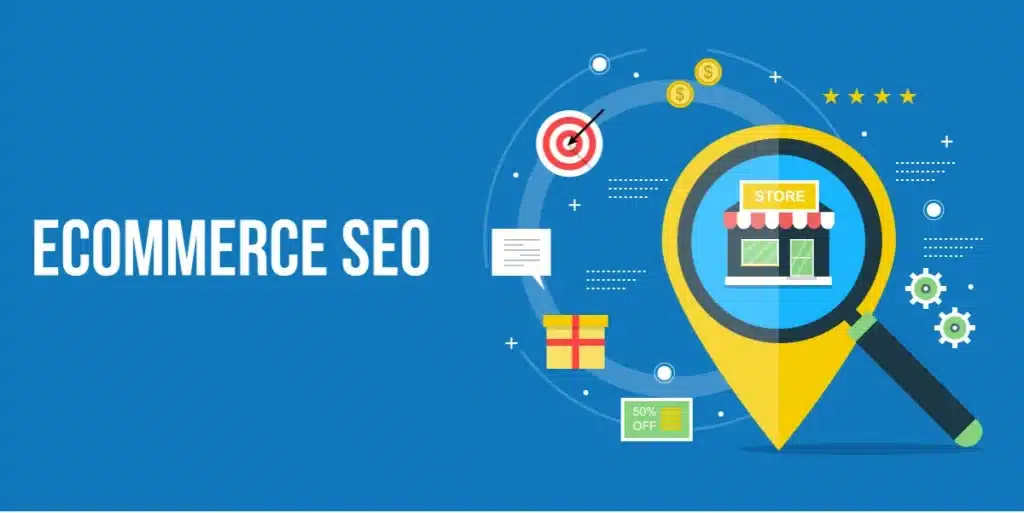
Before looking at the tips, it is important to understand what ecommerce SEO is. Ecommerce SEO is the process of optimizing an online store so that its product and category pages can appear higher in search engine results. It includes several areas, such as:
- Keyword research
- Product page optimization
- Category page optimization
- Technical SEO
- Internal linking
- Content creation
- Image optimization
- Website speed
- Mobile optimization
- Link building
The goal is to help search engines understand your store while making it easier for potential customers to find and buy your products.
Why Is SEO Important for Ecommerce?
People often search online before making a purchase. They may search for a specific product, compare different options, or look for solutions to a problem. If your store appears for these searches, you can attract customers without paying for every visit through advertising. A good SEO approach in ecommerce can help you:
- Increase organic traffic
- Improve product visibility
- Reach customers with buying intent
- Reduce dependence on paid advertising
- Build long-term search visibility
- Improve the user experience
SEO does take time, but the traffic it generates can continue bringing potential customers after the initial optimization work is complete.
10 Ecommerce SEO Tips for Beginners
1. Start With Keyword Research
Keyword research should be one of your first SEO activities.
Find the terms your potential customers actually use when searching for your products.For example, instead of targeting only a broad keyword such as “shoes,” you could target more specific searches such as:
- Running shoes for women
- Waterproof hiking shoes
- Leather office shoes
- Lightweight running shoes
Longer and more specific keywords can be easier to target and often provide clearer search intent. Use tools such as Google Search, Google Search Console, and SEO platforms to identify relevant keywords.
2. Optimize Product Pages
Your product pages are some of the most important pages on your ecommerce website. Each page should clearly explain what the product is and why customers should consider buying it. Optimize elements such as:
- Product title
- Product description
- URL
- Image alt text
- Meta title
- Meta description
- Headings
- Product specifications
Avoid copying descriptions directly from manufacturers. Create original content that provides useful information to shoppers. This is one of the most important SEO for ecommerce products practices for beginners.
3. Create Strong Category Pages
Do not focus all your SEO efforts on individual products. Category pages can target broader commercial searches and help search engines understand the structure of your store. For example, a clothing store might have:
- Men’s Clothing
- Men’s Shirts
- Formal Shirts
Each category should have a clear title, useful content, relevant products, and logical links to related pages.
4. Write Useful Product Descriptions
A product description should help both search engines and customers understand the product. Instead of writing: “High-quality cotton shirts available in different colors.” Provide useful details about:
- Material
- Size
- Features
- Fit
- Use cases
- Care instructions
- Available options
5. Improve Your Website Structure
A clear website structure makes it easier for customers and search engines to navigate your store. A simple structure could look like:
- Homepage
- Category
- Subcategory
- Product
Try to keep important products accessible through a reasonable number of clicks from the homepage. Use internal links to connect related categories, products, and useful content.
For example, a blog about “How to Choose Running Shoes” could link naturally to your running shoe category. A good site architecture is one of the basic ecommerce SEO best practices because it supports both navigation and search engine crawling.
6. Make Your Ecommerce Website Mobile-Friendly
Many customers browse and shop using smartphones. Your website should work smoothly on smaller screens. Check for:
- Text size
- Buttons
- Navigation
- Product images
- Checkout process
- Page loading speed
- Search functionality
A customer should not have to zoom in or struggle to click buttons. Mobile usability is also important because search engines use mobile-first indexing.
7. Improve Website Speed
Slow websites can create a poor shopping experience. Large images, unnecessary scripts, excessive apps, and poorly optimized themes can all affect performance. To improve speed:
- Compress images
- Use modern image formats where appropriate
- Remove unnecessary plugins or apps
- Reduce unused scripts
- Use reliable hosting
- Monitor Core Web Vitals
Do not optimize speed only for search engines. A faster store can also make browsing and purchasing easier for customers.
8. Optimize Images
Images are essential for ecommerce because customers want to see what they are buying. However, large unoptimized images can slow down your website. Use descriptive file names and appropriate alt text. For example:
Poor alt text is: IMG1234.jpg
Better alt text is: black-leather-office-shoes.jpg
Alt text should describe the image naturally. Avoid filling alt attributes with keywords that do not accurately describe the image. Image optimization is a simple but useful part of seo for ecommerce sites.
9. Create Helpful Ecommerce Content
Your ecommerce website should not only contain product pages. Create content that answers questions customers have before making a purchase. For example, a skincare store could publish:
- How to choose a moisturizer
- What ingredients are best for dry skin?
- How often should you use a face serum?
- Moisturizer vs. face cream
This type of content can attract people earlier in the buying journey. You can then link relevant articles to your product and category pages. This creates a connection between informational searches and commercial pages.
10. Build Trust With Reviews
Customers want to know that an online store is trustworthy. Add genuine customer reviews where appropriate and make important business information easy to find. Your website should clearly communicate:
- Contact information
- Shipping policies
- Return policies
- Payment options
- Privacy information
- Terms and conditions
Product reviews can also provide useful customer-generated content and help shoppers make purchasing decisions.
Ecommerce SEO Guide: Technical Basics
Technical SEO can sound complicated, but beginners should start with the basics. Make sure search engines can:
- Crawl your important pages
- Access your product content
- Understand your site structure
- Index valuable pages
- Follow internal links
Check your website for broken links, duplicate pages, indexing problems, and incorrect redirects. An XML sitemap can also help search engines discover important URLs. Use Google Search Console to monitor indexing and search performance.
Use Internal Linking Strategically
Internal links connect pages within your website. They can help search engines discover pages and help customers find related products and information. For example: Blog to Category and to Product. .You can also link Product to Related Product and Category to Subcategory.. Use descriptive anchor text where it is natural. Avoid adding large numbers of irrelevant internal links simply for SEO.
Optimize Titles and Meta Descriptions
Every important ecommerce SEO tips for page should have a clear and relevant title. For example:
Weak: Shoes | Store
Better: Men’s Waterproof Hiking Shoes | Brand Name
Your meta description should explain what the page offers and encourage relevant users to click. Do not copy the same title and description across every product page.
Common Ecommerce SEO Mistakes Beginners Should Avoid
Keyword stuffing: Repeating keywords unnaturally can make content difficult to read.
Copied product descriptions: Manufacturer content may not give your pages enough unique value.
Ignoring category pages: Category pages can target valuable commercial searches.
Creating too many thin pages: More URLs do not automatically mean more rankings.
Ignoring mobile users: A poor mobile experience can affect both usability and performance.
Buying low-quality backlinks: Poor link-building practices can create unnecessary risks.
How to Create an Ecommerce Website SEO Strategy
A simple ecommerce website SEO strategy can be built around five stages:
- Research
- Optimize
- Fix
- Create
- Measure
Final Thoughts
These ecommerce SEO tips give beginners a practical starting point for improving their online store in 2026. Start with keyword research, optimize your product and category pages, improve your website structure, make your store mobile-friendly, and create content for customers.
Do not try to fix everything at once. Focus on the pages and problems that can have the biggest impact. SEO for ecommerce is an ongoing process. As your product range, competitors, search behavior, and website change, your SEO strategy should evolve with them.
FAQs
1. Can ecommerce SEO work without paid advertising?
Yes. Ecommerce SEO can get organic traffic without paying for every click. However, SEO usually takes time to build and works best as part of a broader marketing strategy.
2. How long does ecommerce SEO take to show results?
Initial improvements may appear within a few months, but meaningful growth often takes longer depending on competition, website quality, content, and SEO consistency.
3. Should every product have its own SEO page?
Usually, yes, when the product is good and has genuine search or customer value. Similar or duplicate products may require a different approach to avoid creating unnecessary pages.
4. Does ecommerce SEO increase online sales?
Yes, it can. By getting relevant users who are actively searching for products, SEO can increase qualified traffic and create more opportunities for conversions.