
Ecommerce SEO can look simple from the outside. Optimize product pages, add keywords, publish content, and build backlinks. In practice, online stores often face much more complicated problems. Large product catalogs can create duplicate URLs. Category pages may not target valuable searches. Product descriptions may be too thin. Technical issues can prevent search engines from properly crawling important pages. Even when traffic increases, sales may remain flat if the wrong visitors are being attracted. These challenges make ecommerce SEO case studies useful for understanding what actually works.
Why Ecommerce SEO Requires a Different Strategy
Ecommerce websites have a unique SEO structure. A typical online store may contain:
- Homepage
- Category pages
- Subcategory pages
- Product pages
- Blog content
- Filter and sorting URLs
- Search pages
- Brand pages
- Location pages
Each layer can create SEO opportunities or problems.
For example, a product page might rank for a highly specific search, while a category page can target a broader commercial keyword. This means an effective seo strategy needs to consider the entire website rather than optimizing individual pages in isolation.
The following ecommerce seo case study examples show how different challenges require different solutions.
Related Article: 5 Best SEO Case Studies in 2026
Case Study 1: Shopify Store Improves Organic Traffic by Fixing Technical SEO
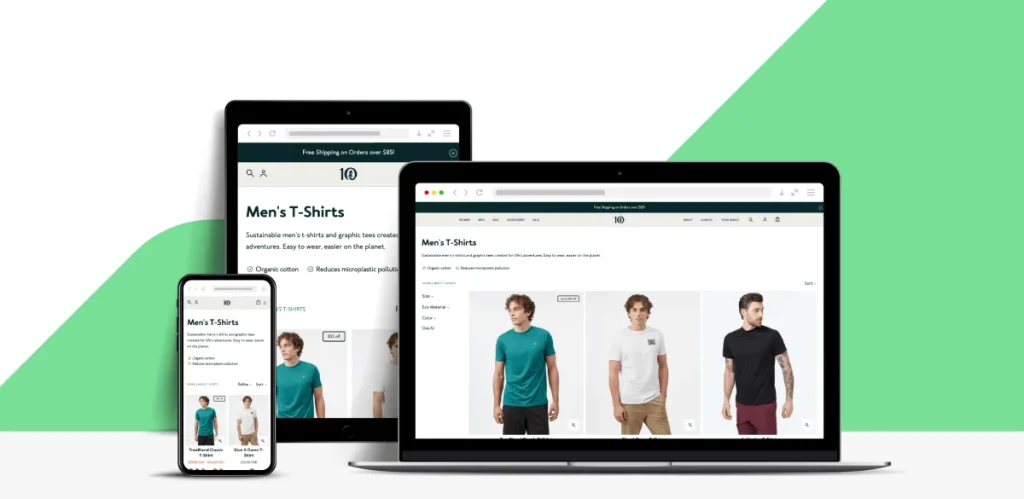
One Shopify ecommerce case study published by Raleigh Digital involved The Eastwood Project, a store that had experienced flat organic traffic for about a year.
The website had only around 480 ranking keywords, and much of its visibility was concentrated around branded searches. The store also had technical and content problems, including near-duplicate URLs created by tag pages and collection pages with very little useful content.
The Challenge
The store had good products, but Google was not giving the website enough organic visibility. The major problems included:
- Thin collection pages
- Duplicate and near-duplicate URLs
- Weak product-page optimization
- Poor keyword targeting
- Limited internal linking
The website had good products, but some SEO problems were stopping it from getting more Google traffic.
The Solution
The SEO team focused on the technical foundation first such as:
- Added canonicalization to problematic URLs
- Improved crawl paths
- Developed stronger collection-page content
- Reworked product titles and descriptions
- Added product structured data
- Improved internal linking between blogs, collections, and products
The SEO team fixed technical issues, improved product and collection pages, and added better internal links.
The Reported Result
After 12 months, due to ecommerce SEO best practices, the case study reported:
- 210% increase in organic traffic
- Ranking keywords increased from 480 to 1,460
- 137% increase in organic revenue
- No advertising spend was used to generate the reported organic growth
Case Study 2: Ecommerce Store Doubles Organic Clicks Through Content
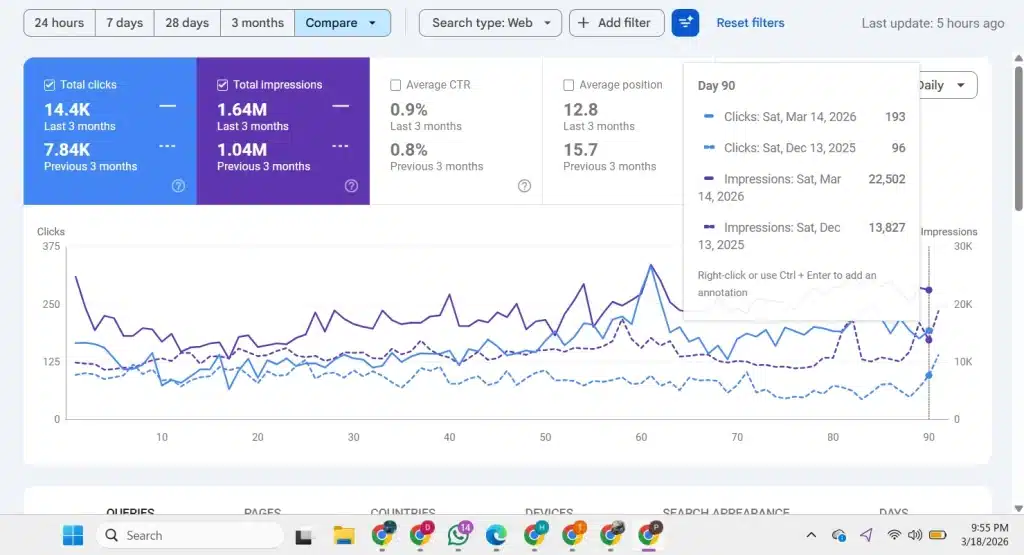
Another useful example comes from a European specialty ecommerce store documented in a 2026 case study by Christopher Jan B.
The store had experienced a long period of stagnant organic performance. Despite having a substantial product catalog and repeat customers, its search traffic did not reflect the size of the business.
The Challenge
The website had previously experienced a significant decline in organic traffic. The problem was not simply a lack of products. The site’s content strategy was not effectively capturing the search demand surrounding its products and niche.
The Solution
The SEO campaign focused on content. Instead of producing generic articles, the strategy targeted topics that could attract relevant search demand and connect users with the ecommerce business.
The case study reports that one newly published article generated more than 34,000 organic clicks in its first year.
The Reported Result
During the reported 12-month period:
- Organic clicks increased from 187,665 to 399,283
- Organic clicks grew by 112.76%
- Keywords ranking in Google’s top five increased from 1,244 to 6,452
- Branded searches increased by 225%
Case Study 3: Pakistani Shopify Store Fixes Crawl and Category Problems
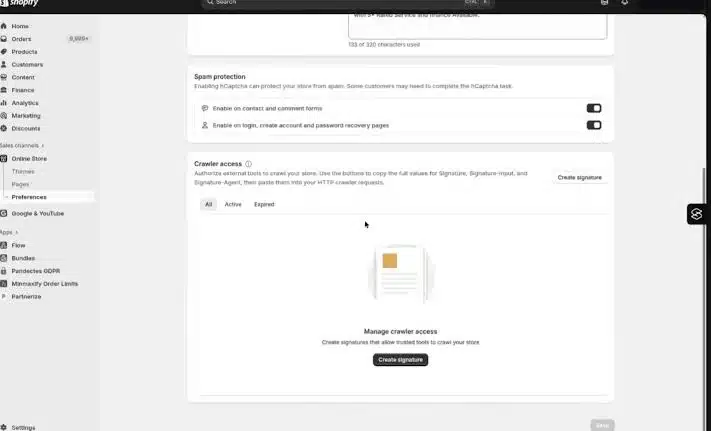
A 2026 case study from WeProms provides an example of an ecommerce SEO campaign involving a Pakistani health and beauty Shopify store with more than 1,200 SKUs.
The store had experienced a decline in organic visibility while competitors were gaining rankings.
The Challenge
The website had several technical and structural issues. According to the case study, the problems included:
- More than 2,300 crawl errors
- Duplicate product content
- Weak category-level content
- Poor mobile performance
- Problems with site architecture
- Declining organic traffic
The website had over 2,300 crawl errors, duplicate product content, weak category pages, poor mobile performance, and declining organic traffic.
The Solution
The campaign was divided into four major stages:
- Technical SEO
- Site Architecture
- Product Optimization
- Authority Building
The SEO campaign focused on technical SEO, improving the site structure, optimizing product pages, and building website authority.
The Reported Result
After six months, the case study reported:
- 62% growth in qualified organic sessions
- 94% increase in non-branded organic traffic
- 89% improvement in category-to-product click-through
- Crawl errors reduced by 94%
- Indexed product pages increased by 125%
- Organic revenue share increased from 11% to 23%
- Monthly organic revenue increased from PKR 2.7 million to PKR 4.6 million
Case Study 4: B2B Ecommerce Site Doubles Revenue Through SEO
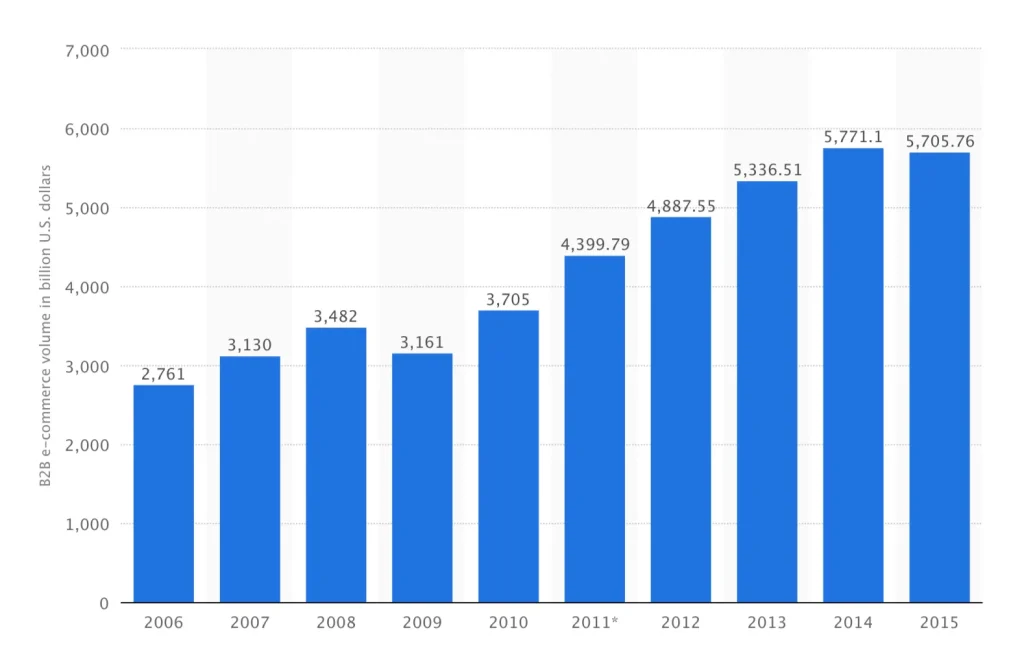
A 2025 search engine optimization case study published by Diggity Marketing examined an ecommerce business operating in a specialized B2B furniture niche.
The SEO campaign focused on improving multiple parts of the website instead of relying on one tactic.
The Challenge
The business needed to improve both organic visibility and revenue in a relatively specialized market.
The challenge was not about getting more visitors. The strategy needed to get commercially relevant searches and improve the website experience.
The Solution
The campaign addressed:
- User experience
- Technical stability
- On-site optimization
- Content
- Backlinks
This is important because ecommerce SEO usually requires multiple SEO disciplines working together.
The Reported Result
The published case study reported that the campaign 4x organic traffic and doubled revenue. The campaign demonstrates how technical improvements, content optimization, UX, and link building can work together rather than being treated as separate activities.
Case Study 5: More Revenue Despite Lower Search Traffic
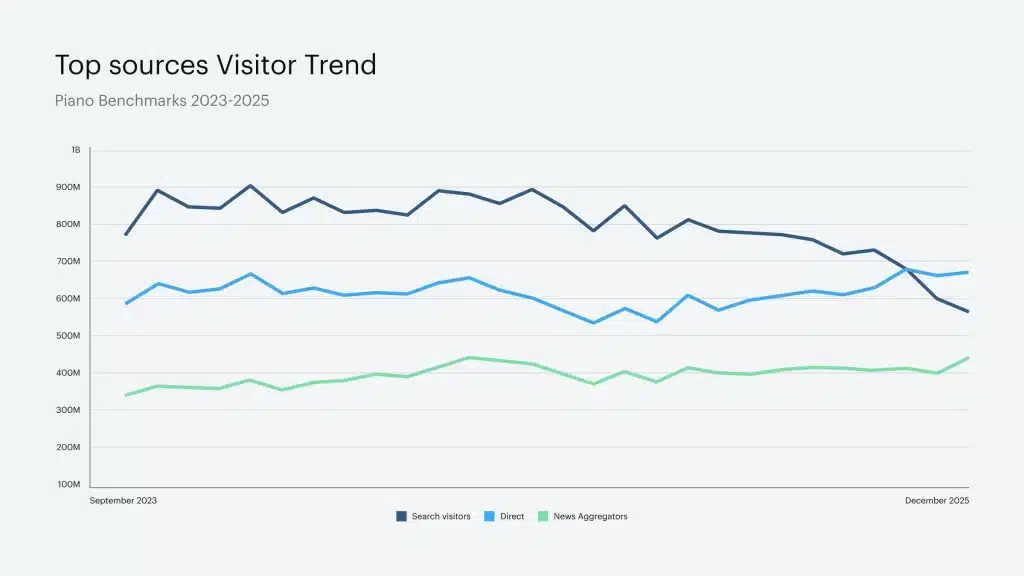
One of the most interesting recent examples comes from a Shopify case study published in August 2026.
The retailer was a UK online furniture business. Over a 10-month period, its Google impressions and sessions declined, partly because search behavior and AI-powered search features were changing.
However, organic transactions increased year over year in every month reported, while organic revenue increased in six of eight months.
The Challenge
The website was experiencing a common modern Ecommerce SEO Case Studies problem of more search visibility did not necessarily mean more valuable traffic.
Instead of trying to recover every lost impression, the strategy focused on improving the commercial quality of organic traffic.
The Solution
The campaign addressed both traditional SEO and newer search visibility considerations. The work included:
- Fixing redirects
- Reducing crawl waste
- Improving canonicalization
- Compressing images
- Correcting heading structure
- Improving collection pages
- Optimizing titles and meta descriptions
- Improving product structured data
- Making reviews more accessible to search and AI systems
The team fixed technical issues, improved content, and optimized the website for search and AI.
The Reported Result
Despite declining search sessions:
- Organic transactions increased year over year in every reported month
- Organic revenue increased in 6 of 8 months
- Organic conversion rate increased by approximately 49%
- Revenue per session increased by 40%
What These Ecommerce SEO Case Studies Teach Us
- Technical SEO Comes First
- Category Pages Are Extremely Important
- Product Descriptions Need Search Intent
- Content Should Support the Buying Journey
- Traffic Is Not the Final KPI
- SEO Needs Time
Final Thoughts
These ecommerce SEO case studies show that SEO success rarely comes from one isolated tactic. Ecommerce SEO should be measured by business outcomes, not just search traffic.
A successful strategy combines technical SEO, search intent, category optimization, product content, internal linking, authority building, and conversion optimization.
If these elements work together, organic search can become a sustainable acquisition channel rather than simply another source of website visits.
FAQs
1. How long does B2B SaaS SEO take to show results?
Most SaaS businesses need several months to see meaningful organic growth, depending on competition, authority, and content quality. B2b is the best example for Ecommerce SEO Case Studies.
2. Is SEO effective for SaaS startups?
Yes. SEO can help SaaS startups build consistent organic visibility and attract users actively searching for relevant solutions.
3. What SEO metrics should SaaS companies track?
Track organic traffic, keyword rankings, qualified leads, conversions, backlinks, and revenue influenced by organic search.
4. Should SaaS companies focus on high-volume keywords?
Not always. Lower-volume, high-intent keywords can often bring more qualified visitors and better conversion opportunities.