

Behind many successful social accounts is a professional responsible for planning content, managing communities, analyzing performance, and keeping the brand relevant. If you are wondering how to be a social media manager, you do not need years of experience or a specific degree. You need a combination of creative, strategic, communication, analytical, and organizational skills, along with practical experience managing social platforms.
What Is a Social Media Manager?

A manager is responsible for managing a brand’s presence across social media platforms.
Their work can include developing:
- Content strategies
- Planning content calendars
- Creating or coordinating posts
- Engaging with audiences
- Monitoring trends
- Managing campaigns
- Analyzing performance
- Reporting results
Modern social media managers may also handle community management, influencer relationships, social listening, customer care, and performance reporting.
What Does a Social Media Manager Do?
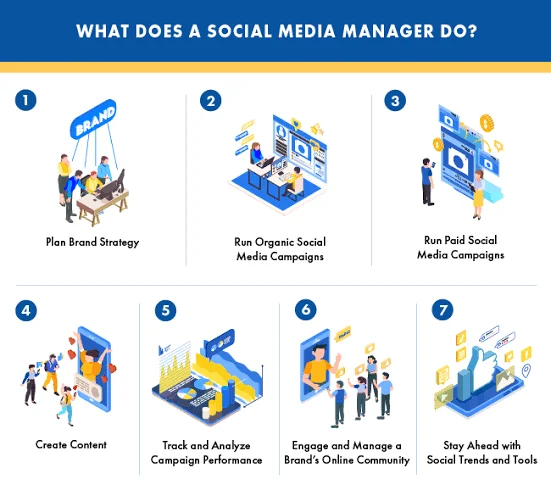
The exact manager’s responsibilities vary by company, but most roles involve several core areas.
1. Develop a Social Media Strategy
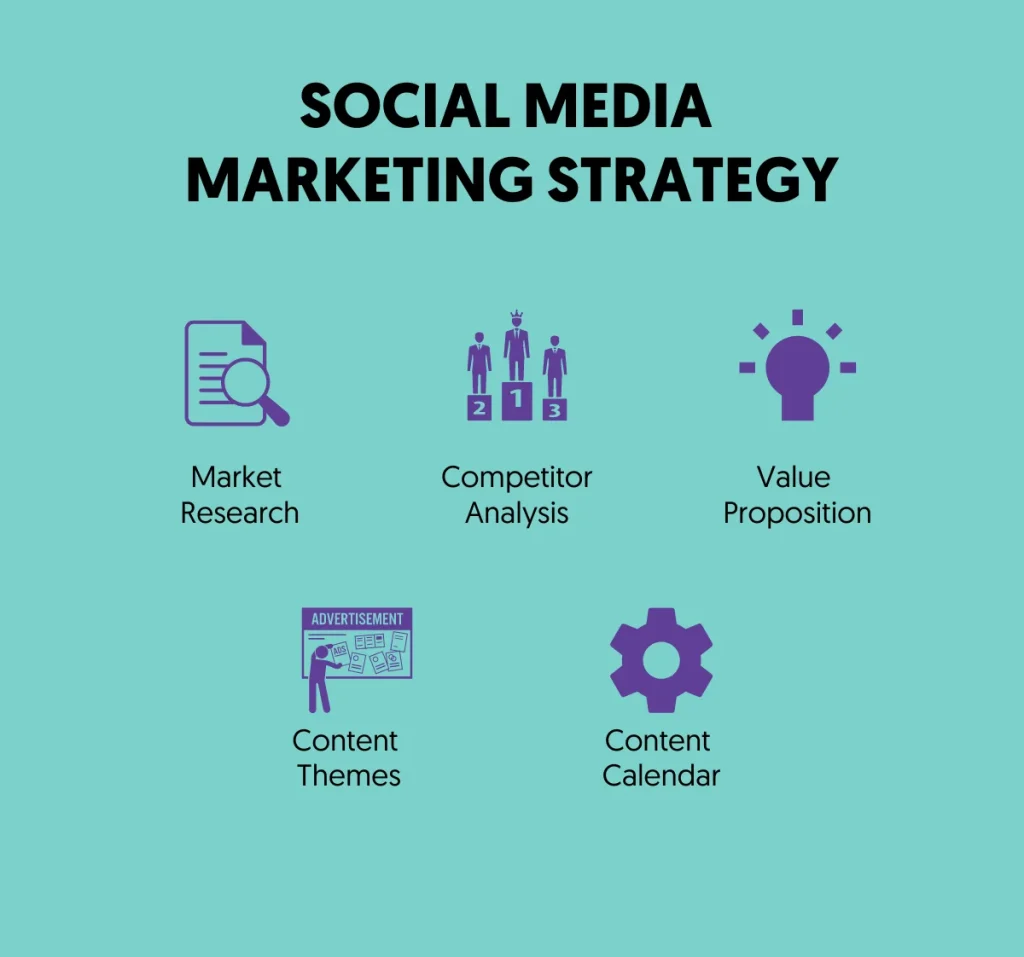
A manager starts by understanding the business and its audience. They determine:
- Who the target audience is
- Which platforms matter most
- What the brand should communicate
- What content formats to use
- How often to publish
- Which goals need to be achieved
- How performance will be measured
The strategy should connect social activity with wider business objectives rather than treating social media as a separate activity.
2. Create and Manage Content
Content is one of the most visible parts of the job. A social manager may write captions, create content briefs, develop post ideas, coordinate designs, edit short videos, create scripts, or work with a creative team.
Content can include:
- Images
- Carousels
- Reels
- Short-form videos
- Stories
- Polls
- Educational posts
- Product content
- Customer stories
- Behind-the-scenes content
- Promotional campaigns
The manager needs to make sure content follows the brand’s voice and supports the overall strategy.
3. Build a Content Calendar

A content calendar organizes what the brand will publish and when. A good calendar can include:
| Topic | Industry insight |
| Format | Carousel |
| Platform | |
| Caption | Educational |
| CTA | Visit website |
| Publishing date | Monday |
| Status | Scheduled |
Planning ahead makes it easier to maintain consistency while leaving room for timely or trend-based content.
4. Manage Social Communities

Social media management is also about people. Managers monitor comments, mentions, messages, and conversations involving the brand. They respond to questions, acknowledge feedback, and escalate issues when necessary.
Community management can help businesses build strong relationships with customers and identify recurring questions or concerns.
Current social management guidance treats community building and customer care as core parts of the role rather than optional extras.
5. Monitor Trends

Social platforms change constantly. A social manager needs to understand emerging formats, cultural conversations, platform changes, and content trends.
However, following every trend is not a strategy. The skill is knowing which trends are relevant to the brand and adapting them without making the content feel forced.
6. Analyze Performance

A professional manager of social media does not judge success only by likes. They review metrics such as:
- Reach
- Impressions
- Engagement
- Saves
- Shares
- Comments
- Video views
- Profile visits
- Website clicks
- Leads
- Conversions
The important question is what those numbers mean for the business. Analytics and the ability to turn data into business decisions are increasingly important manager of social media skills.
7. Manage Influencer and Creator Partnerships

Some managers also work with influencers and creators. Their responsibilities may include:
- Finding relevant creators
- Evaluating audiences
- Contacting influencers
- Developing campaign briefs
- Reviewing content
- Managing approvals
- Tracking campaign performance
8. Manage the Brand’s Online Reputation

A manager is often one of the first people to notice negative comments, complaints, emerging issues, or potential reputation problems. They need to know when to:
- Respond publicly
- Move a conversation to private messages
- Escalate an issue
- Correct misinformation
- Involve customer support
- Involve senior management
Social Media Manager Skills You Need
- Communication
- Copywriting
- Content Strategy
- Creativity
- Analytics
- Organization
- Adaptability
- Basic Video Skills
- AI Literacy
Social Media Manager Tips for Beginners
- Do not chase every trend
- Do not measure success only through followers
- Study successful accounts
- Build a portfolio early
- Learn analytics
- Develop a specialty
- Keep learning
Is Social Media Management a Good Career?
Social media management can be a strong career for people who enjoy the combination of creativity, communication, marketing, technology, and data.
The role is also becoming more strategic. Today’s social media professionals are expected to connect social activity with business outcomes rather than simply produce posts.
Current 2026 industry guidance emphasizes strategy, analytics, community management, creator relationships, social listening, and measurable business impact.
Conclusion
Becoming a manager requires more than knowing how to use Instagram or create attractive posts.
You need to understand strategy, content, copywriting, analytics, community management, platform behavior, and marketing fundamentals.
Start by learning the major social platforms, practice creating content, build a portfolio, gain real-world experience, and gradually develop a specialty.
Whether you eventually work as an Instagram manager, social media executive, social media account manager, or broader social media management specialist, the strongest career path comes from combining practical experience with measurable results.
FAQs
1. Do you need a degree to become a manager of social media?
No. A degree can help, but practical experience, marketing knowledge, strong content skills, and a good portfolio can be equally valuable.
2. How long does it take to become a manager of social media?
You can learn the fundamentals within a few months, but building strong professional skills and real-world experience takes consistent practice.
3. What tools does a manager of social media use?
Managers of social media commonly use platform analytics, scheduling tools, content design and video editing applications, reporting tools, and AI-powered software.
4. Can I become a manager of social media with no experience?
Yes. You can build sample projects, manage your own accounts, volunteer for small businesses, or take freelance work to create a portfolio and gain practical experience.