
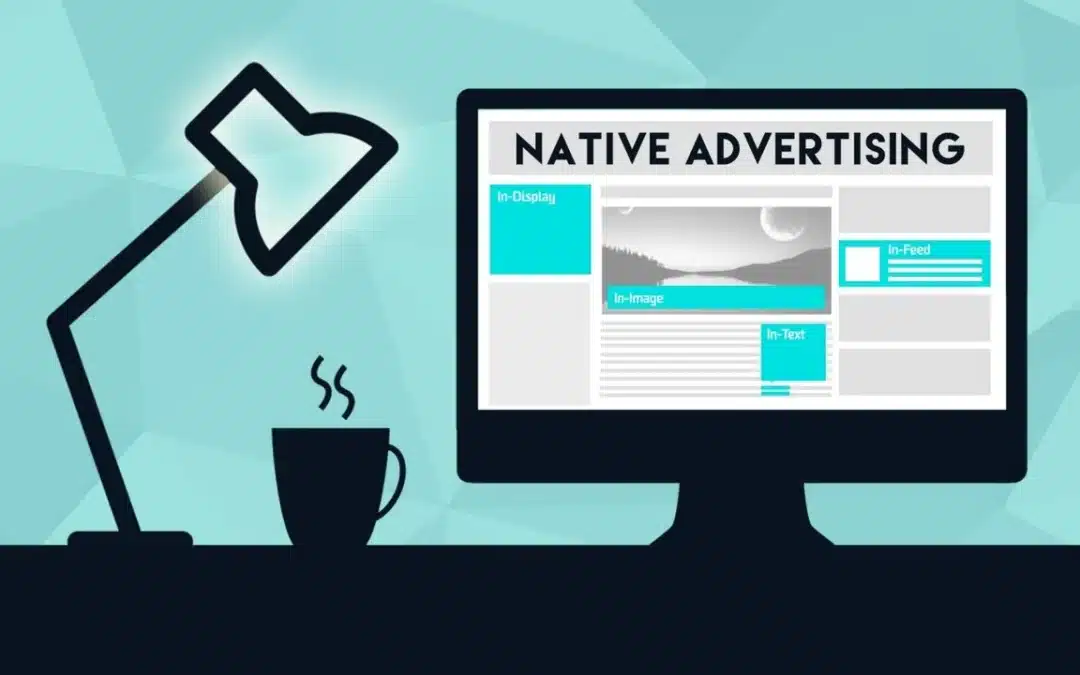
Have you ever clicked on an article, video, or product recommendation only to realize later that it was actually an advertisement? Traditional display ads are becoming easier to ignore, making it harder for businesses to get audience attention. This is where native advertising helps businesses. Today, we are discussing what is native advertising to help beginners understand how it works and what effects it creates, so read more.
What Is Native Advertising?
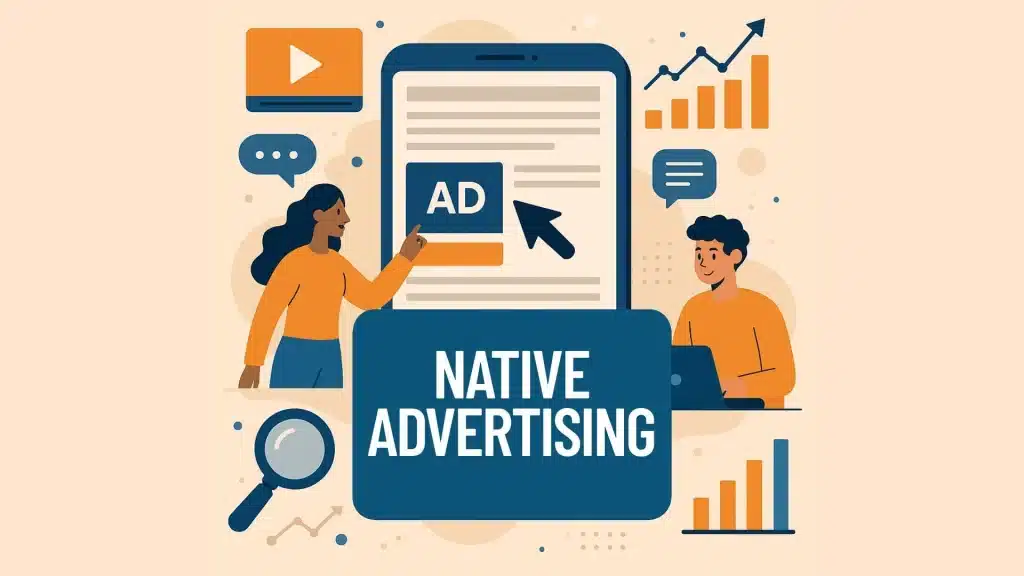
What Is Native Advertising? It is a form of paid promotion designed to match the appearance, format, and function of the platform where it appears. It’s different from banner ads that clearly stand out as advertisements. Instead native ads are integrated into the user experience, making them feel like part of the content while still being clearly labelled as sponsored.
The native advertising definition focuses on relevance and user experience. These advertisements provide useful information while also promoting a brand. This in turn is more likely to earn attention and engagement.
Some of the common places where native advertisements appear include:
- News websites
- Social media feeds
- Search engine results
- Content recommendation widgets
- E-commerce marketplaces
Why Has Native Advertising Become So Popular?
Today consumers have become increasingly selective about the content they engage with. Many people ignore traditional banners due to “banner blindness,” while others use ad blockers altogether.
Native digital advertising solves this challenge by delivering promotional messages in formats users already enjoy consuming. Instead of disrupting the browsing experience, these advertisements complement it.
Businesses also benefit because native campaigns often generate:
- Higher click-through rates
- Better user engagement
- Increased brand trust
- Longer time spent on content
- Improved conversion opportunities
If your business is looking to improve online visibility, you may also benefit from our best SEO services and content marketing solutions that work alongside native advertising campaigns.
What Are Native Advertisements?

The most asked question in marketing is: what are native advertisements, and the answer is simple.
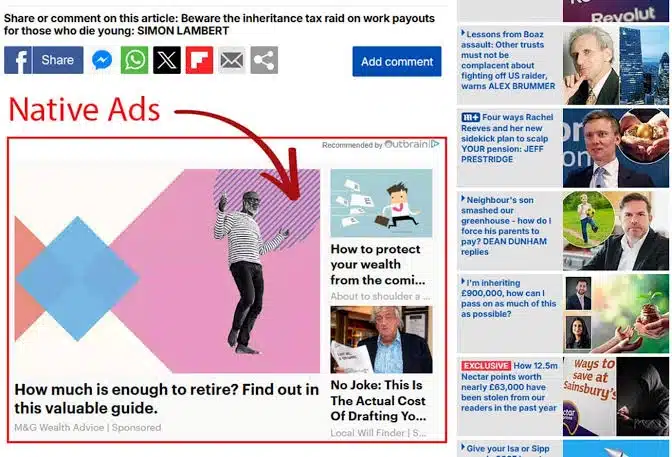
They are paid promotional pieces designed to resemble the editorial or organic content surrounding them. While they blend naturally with the platform, they must always disclose that they are sponsored or promoted. Some of the examples include:
- Sponsored blog articles
- Recommended reading sections
- Sponsored LinkedIn posts
- Facebook sponsored content
- Promoted Instagram posts
- Suggested products on shopping websites
Their primary objective is to educate, entertain, or inform before leading to a purchase.
Types of Native Advertising Content
Sponsored Articles
Publishers create informative articles that educate readers while naturally introducing a company’s products or services.
In-Feed Native Ads
These appear directly within social media feeds alongside organic posts, creating a smooth browsing experience.
Native Video Advertising
Native video advertising places promotional videos inside editorial feeds or social platforms where they match surrounding content. Since videos already get more engagement, this format often performs well.
Product Recommendations
Many online stores use native product ads by recommending relevant products based on user behavior and browsing history.
Search Ads
Sponsored search listings resemble organic results while remaining clearly marked as advertisements.
How Does Native Digital Advertising Work?
A good digital marketing native advertising focuses on providing value before making a sales pitch. The process follows these steps:
- Identify the target audience.
- Create valuable, relevant content.
- Publish through a suitable native advertising platform.
- Blend the creative with the website or app design.
- Track engagement and optimize performance.
Instead of pushing products aggressively, brands build trust through educational and informative content.
Benefits of Native Advertising
Higher Engagement
Because native ads blend into their environment, users are more likely to interact with them than with traditional banners.
Better User Experience
The advertisement feels relevant instead of disruptive, creating a smooth browsing journey.
Increased Brand Trust
Helpful content positions businesses as knowledgeable industry experts rather than just advertisers.
Improved Conversion Rates
Readers who voluntarily engage with valuable content often become better-qualified leads.
Cross-Platform Flexibility
Modern campaigns can appear across websites, mobile apps, social media, search engines, and publisher networks.
Native Advertising Platforms and Ad Networks
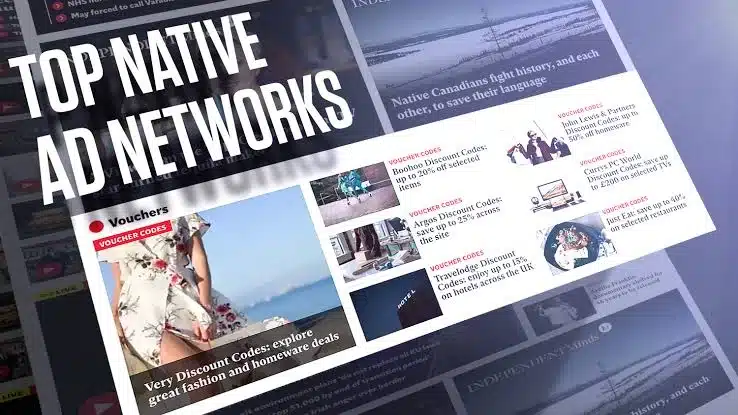
Choosing the right native advertising platform is essential for successful campaigns. Some of the options include:
- Taboola
- Outbrain
- Yahoo Native
- LinkedIn Sponsored Content
- Meta Sponsored Posts
- Google Discovery Ads
These services work with large native ad networks, allowing businesses to reach audiences across thousands of publisher websites.
For advertising best practices, the Interactive Advertising Bureau (IAB) provides industry guidance on native advertising disclosure and standards.
How Do You Spot Native Advertising?
Many readers wonder, how do you spot native advertising when it looks similar to regular content. Here are some common indicators:
- “Sponsored” labels
- “Promoted” tags
- “Paid Partnership” notices
- Brand logos within the article
- Disclosure statements near the headline
Generally reputable publishers clearly identify sponsored material to maintain transparency with readers.
Native Advertising Best Practices
Businesses achieve better results when they focus on quality rather than promotion. Therefore, best practices include:
- Create useful content
- Match the style of the publishing platform
- Be transparent about sponsorship
- Avoid overly promotional language
- Measure engagement and conversions
- Continuously test headlines and creatives
When combined with SEO, content marketing, and paid media, native advertising becomes a major component of a comprehensive digital marketing strategy.
Key Thoughts
Native advertising has changed how brands connect with today’ s audiences. Rather than interrupting users with obvious promotional messages, it delivers valuable content in a format that feels natural and relevant.
Businesses that prioritize transparency, audience value, and quality storytelling often achieve better engagement, better brand perception, and improved marketing performance.
Whether you are promoting products, services, or thought leadership content, native advertising can become an effective channel for attracting audiences.
If you are ready to build high-performing native advertising campaigns that align with your digital marketing goals, we at Johnny’s Digital, can help you create content-driven strategies that deliver best results.
Frequently Asked Questions
1. Is native advertising suitable for small businesses?
Yes. Native advertising can be highly effective for small businesses because it allows brands to reach targeted audiences without relying solely on expensive display advertising.
2. Can native advertising improve SEO rankings?
Native advertising does not directly improve search engine rankings because it is a paid marketing strategy. However, it can indirectly support SEO by driving qualified traffic, increasing brand visibility, and more.
3. How much does native advertising cost?
The cost of native advertising depends on factors such as the advertising platform, audience targeting, competition, and campaign objectives. Most platforms offer flexible pricing models, including cost-per-click (CPC) and cost-per-thousand impressions (CPM), making it suitable for businesses with different budget sizes.
4. What industries benefit the most from native advertising?
Native advertising works well across industries, including eCommerce, SaaS, healthcare, finance, real estate, education, and travel. Any business that wants to educate potential customers before promoting its products or services can benefit from a well-planned native advertising strategy.
5. How do you measure the success of native advertising campaigns?
Success is measured using key performance indicators (KPIs) such as click-through rate (CTR), engagement time, conversion rate, lead generation, return on ad spend (ROAS), and overall revenue generated.