

SEO has changed a lot since the early days of search engines. Techniques that once helped websites gain visibility can now have little value, or even create problems when used incorrectly. One of those outdated techniques is the use of keywords in meta, leaving many website owners wondering whether they should still add them to their pages. Therefore, understanding what are meta keywords and their current role can help you avoid wasting time on outdated SEO practices.
What Are Meta Keywords in SEO?
The most asked question is, what are meta keywords in SEO? Keywords in meta are terms added to a webpage’s HTML code to tell search engines what the page was supposedly about.
They were usually placed inside a meta tag and were not visible to visitors browsing the page. A simple example looked like this:
<meta name=”keywords” content=”SEO, digital marketing, SEO services, search engine optimization”>
The idea behind it is simple that website owners would list relevant terms they wanted search engines to associate with their content. However, the practice became spam as websites began adding large lists of irrelevant or repetitive keywords. Over time, major search engines stopped relying on this information for ranking.
How Did Meta Keywords Work?
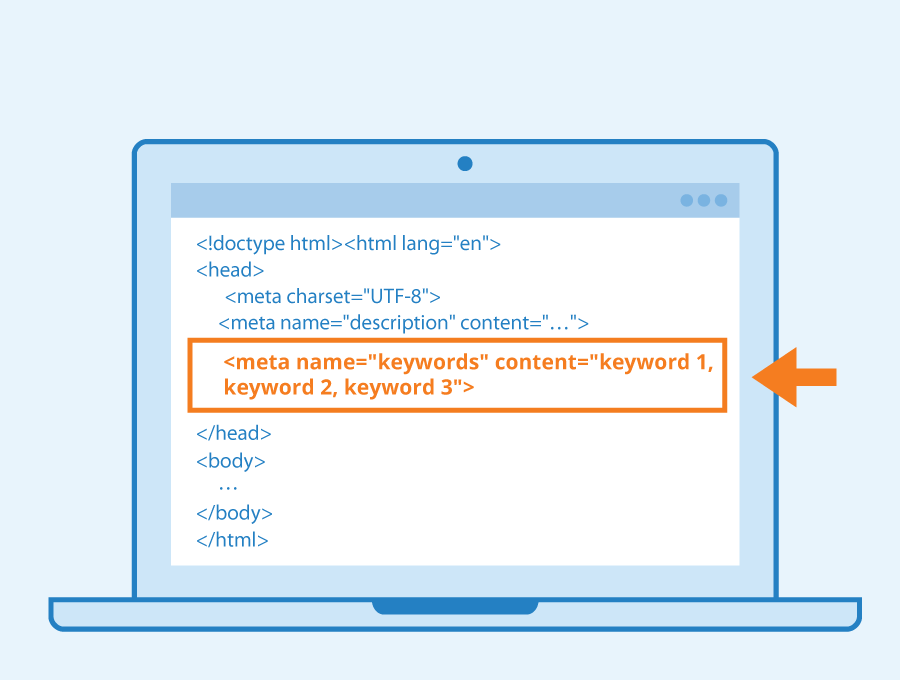
Historically, search engines could examine the HTML source code of a webpage and use the keywords contained in the meta tag as one signal for understanding its subject.
For example, a website selling running shoes might have used:
<meta name=”keywords” content=”running shoes, sports shoes, jogging shoes, athletic footwear”>
These html keywords were intended to provide additional context about the page.
The problem was that search engines could not easily determine whether the listed terms accurately represented the content. Website owners could add keywords that had little or nothing to do with the actual page simply to attract additional traffic.
This led to keyword stuffing and manipulation, reducing the reliability of the signal.
Does Google Use Meta Keywords?
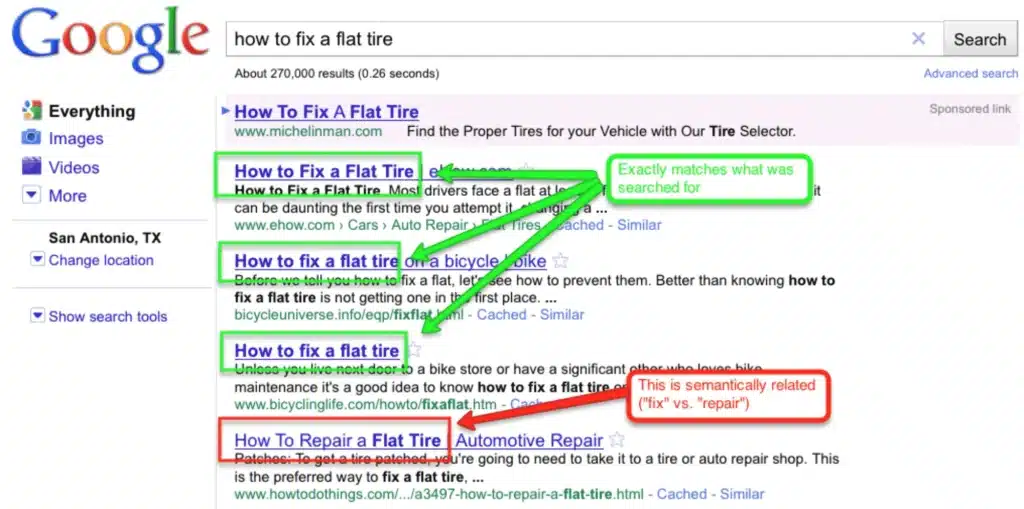
The answer is No. Google has explicitly stated that its web search ranking system does not use the keywords meta tag.
This means adding meta tag keywords to a page will not improve its position in Google search results. Google Search Central has repeatedly advised website owners to focus on creating useful, relevant content rather than relying on outdated metadata techniques.
This distinction is important because some SEO discussions still recommend google search meta keywords as though they were a current ranking factor, when they were not.
If the goal is to improve organic visibility, your time is better spent on content quality, search intent, technical SEO, internal linking, page experience, and other signals that can contribute to search performance.
Why Did Search Engines Stop Using Keywords?
The main issue was manipulation. Because keywords in meta were hidden from visitors, website owners could add terms without demonstrating that the page actually provided useful information about them.
For example, a page about accounting software could include popular terms such as:
- digital marketing
- smartphones
- travel
- online shopping
- sports
Even if none of those subjects appeared on the page. This made the signal unreliable. Search engines gradually developed better ways of understanding webpage content and user intent, reducing the importance of manually supplied keyword lists.
What Is an Example Of Keywords In Meta?
A traditional example might look like this:
<head>
<meta name=”keywords” content=”SEO services, technical SEO, SEO audit, search engine optimization”>
</head>
The terms in the content attribute represented the keywords the website owner wanted associated with the page.
Although this is technically valid HTML in many contexts, adding this tag to a modern website is generally unnecessary for Google SEO.
The important distinction is between meta content keywords used in an old-style keywords tag and other metadata that remains useful, such as the title element and meta description.
What SEO Metadata Should You Use Instead?
Instead of spending time on obsolete keyword tags, SEO professionals should focus on metadata that helps search engines and users understand a page.
Title Tags
The title element communicates the primary subject of a webpage and can influence how the page is represented in search results. A good title should accurately describe the page and align with what users are searching for.
Meta Descriptions
A meta description provides a concise summary of a webpage. While it is not treated as a direct Google ranking factor, a useful description can help users understand what they will find after clicking the result.
Structured Data
Structured data helps search engines understand specific information about a page and, where eligible, can support enhanced search result appearances.
How to Choose Keywords for SEO Today?
The question of how to choose keywords for SEO is based on an outdated assumption that selecting the right terms for a keywords meta tag will improve rankings. Instead, use keyword research to guide the actual content of your webpage. For this businesses should identify:
- The primary topic of the page
- The user’s search intent
- Relevant secondary topics
- Questions users commonly ask
- Related terminology and entities
- Terms competitors cover effectively
- Content gaps that your page can address
For example, if you are creating a page about technical SEO, your research may reveal related concepts such as crawling, indexing, canonical URLs, structured data, XML sitemaps, and Core Web Vitals.
These terms should be incorporated naturally where they genuinely help explain the subject, not simply placed into a hidden keyword list.
Are There Any Best Keywords to Use?
There are no best keywords for improving Google rankings because Google does not use the meta tag as a ranking signal.
Instead, identify the terms that best represent the topic and search intent of your page, then incorporate them naturally into useful content.
This approach produces a stronger topical relationship between the query and the information provided on the page.
Keyword research can still be extremely valuable. The difference is where and how you use the research. Rather than creating a hidden list of terms, use your findings to inform:
- Page titles
- Headings
- Body content
- Image descriptions where appropriate
- Internal links
- URLs where relevant
- Supporting articles
- Content structure
What About Using Keywords on Other Search Engines?
The historical use of keywords metadata is sometimes confused with current search engine optimization practices.
Different search engines may have their own systems and documentation, but businesses targeting Google should not add the meta tag expecting a ranking benefit.
Search engines rely on broader signals and their ability to interpret the actual content and context of a webpage. Therefore, using keywords as a core SEO strategy is not an efficient use of resources.
Common Meta Keyword SEO Mistakes
Even though keywords are obsolete for Google SEO, several related mistakes still appear in SEO campaigns. These mistakes include:
Keyword Stuffing
Repeating a keyword excessively can make content unnatural and negatively affect user experience.
Using Irrelevant Keywords
Adding popular search terms that have no relationship with the page does not create useful content.
Confusing Keywords With Meta Descriptions
The two are completely different. Keywords were historically hidden keyword lists, while a meta description summarizes the page for users and search engines.
Focusing on Metadata Instead of Content
Metadata cannot compensate for unhelpful, lack of in-depth, or poorly structured content.
A page needs to satisfy the user’s search intent first. For businesses that want a structured approach to improving organic visibility, our SEO Services can help identify technical, content, and on-page opportunities across a website.
Conclusion
If you are wondering what keywords are, the short answer is that they are an old HTML metadata technique that allowed website owners to list terms associated with a webpage. While they once had a role in search engine optimization, Google no longer uses the meta tag as a ranking signal.
That does not mean keyword research is obsolete. Far from it. Modern SEO uses keyword research to understand search intent, build useful content, structure webpages, and identify the topics users genuinely care about.
Frequently Asked Questions
1. Should I remove keywords from my website?
If your website still contains a meta tag, removing it is reasonable because it provides no SEO benefit in Google. Its removal should not negatively affect your rankings, provided you are not removing other important metadata such as title tags or structured data.
2. Do keywords affect Google rankings?
No. Google does not use the meta tag as a ranking factor. Adding, removing, or changing these keywords will not directly improve your position in Google Search results.
3. Are keywords useful for WordPress SEO?
Keywords are not necessary for WordPress SEO. Instead of adding a list of keywords to your pages, focus on search intent, high-quality content, descriptive titles, useful headings, internal linking, and technically sound pages.
4. What is the difference between keywords and SEO keywords?
Keywords refer to an old HTML tag containing a list of terms intended for search engines. SEO keywords are the actual words and phrases people use in searches and are used by marketers to understand search intent and create relevant content.