

From Instagram and Facebook to LinkedIn, TikTok, YouTube, and other platforms, social media gives businesses direct access to audiences at different stages of the buying journey. This is why understanding the benefits of social media marketing is important for businesses of every size. When supported by a clear strategy, social media can become a valuable growth channel rather than simply another place to post content.
So, to know more about benefits of social media marketing in 2026 read below:
What Is Social Media Marketing?

Social media marketing is the process of using social platforms to promote a business, communicate with audiences, distribute content, build relationships, and achieve marketing goals. It can include:
- Organic social media posts
- Short-form videos
- Stories and live content
- Influencer and creator partnerships
- Social media advertising
- Community management
- Customer support
- Social listening
- Lead generation
- Product promotions
The goal is not to be active on every platform. A successful strategy focuses on the channels where the target audience is most likely to find, evaluate, and engage with the business.
Related Article: What Is Search Engine Marketing (SEM)? How Does It Work?
10 Benefits of Social Media Marketing
1. Builds Brand Awareness

One of the biggest social media marketing benefits is increased brand visibility.
A business can use social platforms to introduce its name, products, services, expertise, and brand personality to relevant audiences.
Consistent content helps people become familiar with a brand before they are ready to purchase. Over time, this familiarity can make the business easier to remember when a customer needs the product or service.
Visual content can be useful for businesses that depend on strong branding, such as fashion, real estate, food, interiors, beauty, hospitality, and ecommerce.
2. Helps Businesses Reach Target Audiences
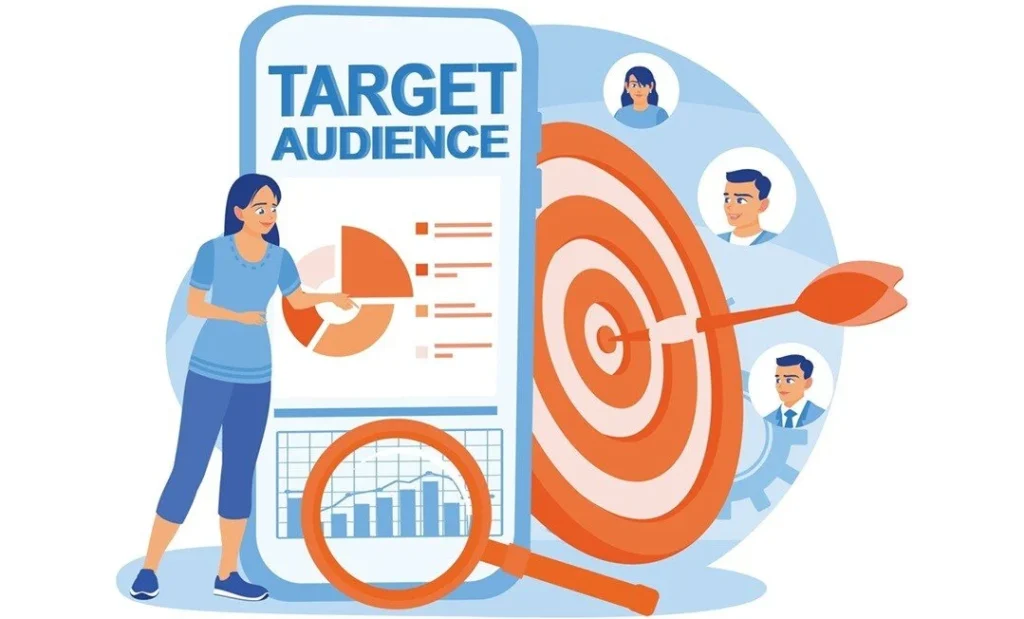
Social media allows businesses to reach specific audience segments instead of communicating with everyone at once. Businesses can develop content around factors such as:
- Location
- Age group
- Interests
- Profession
- Buying behavior
- Industry
- Customer needs
- Previous interactions with the brand
This makes social media marketing for business more targeted and strategic. Instead of simply asking how many people saw a post, marketers can focus on whether the content reached people who are actually relevant to the business.
3. Increases Website Traffic
Social media can become an additional traffic source for a website. Businesses can use posts, videos, stories, profiles, and paid campaigns to direct interested users toward:
- Product pages
- Service pages
- Blog posts
- Landing pages
- Case studies
- Lead forms
- Online stores
This creates a connection between social discovery and website conversion. Social media can also support search visibility indirectly by increasing content exposure, encouraging branded searches, and helping useful content reach people who may later search for the brand.
4. Generates Leads and Sales
Another important advantage is its ability to support lead generation and sales. A business can use social media to move customers from awareness toward action.
For example, a service company might publish an educational video, encourage users to send a direct message, and then move qualified prospects into a sales conversation.
An ecommerce business can use product content, social proof, creator partnerships, and paid advertising to encourage users to visit product pages or complete purchases.
This makes social media more than a promotional channel. It can become part of the sales funnel.
5. Provides Cost-Effective Promotion
One of the major social media marketing advantages is flexibility in how businesses allocate their budgets.
Organic posting can help businesses build an audience without paying for every impression. Paid social advertising can then be used when a business wants additional reach, precise targeting, retargeting, or faster campaign testing.
This can be useful for small businesses that cannot compete with large companies through traditional advertising budgets.
However, cost-effectiveness does not mean social media is free. Producing quality content, managing communities, testing campaigns, and analyzing performance all require time and resources.
6. Creates Direct Customer Relationships
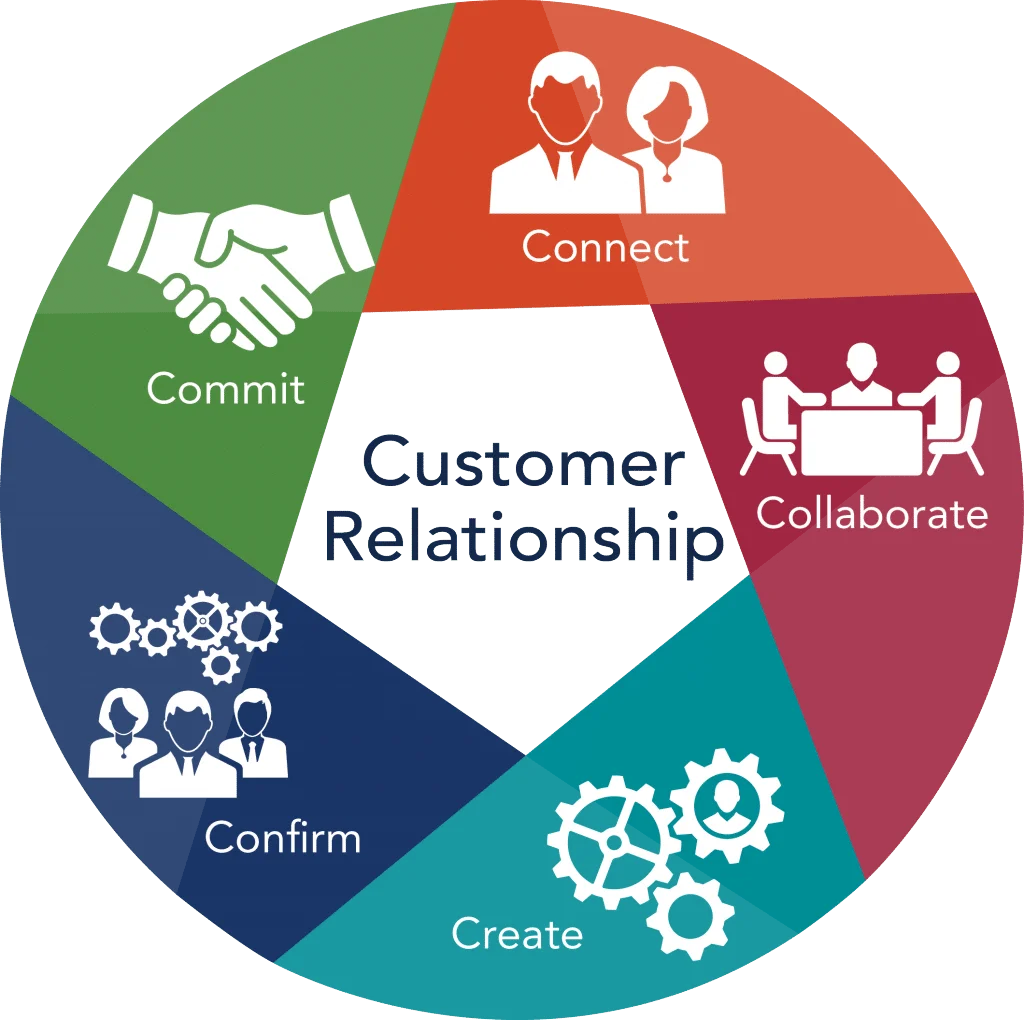
Social media gives businesses a direct communication channel with customers. People can comment on posts, send direct messages, ask questions, provide feedback, and discuss their experiences.
This creates opportunities for businesses to:
- Answer questions
- Resolve problems
- Collect feedback
- Explain products
- Build communities
- Show the human side of the brand
This is one reason why social media marketing is important beyond advertising. A business can use social media not only to speak to customers but also to listen to them.
7. Helps Businesses Understand Their Customers
Social platforms provide a continuous stream of audience feedback. Comments, messages, shares, questions, reviews, and engagement patterns can reveal what customers care about and what problems they are trying to solve.
Businesses can use these insights to improve:
- Products
- Services
- Content
- Offers
- Customer support
- Advertising
- Brand messaging
In 2026, social listening and audience intelligence are becoming increasingly important because social platforms can provide real-time information about customer preferences and market conversations.
8. Strengthens Brand Trust and Credibility
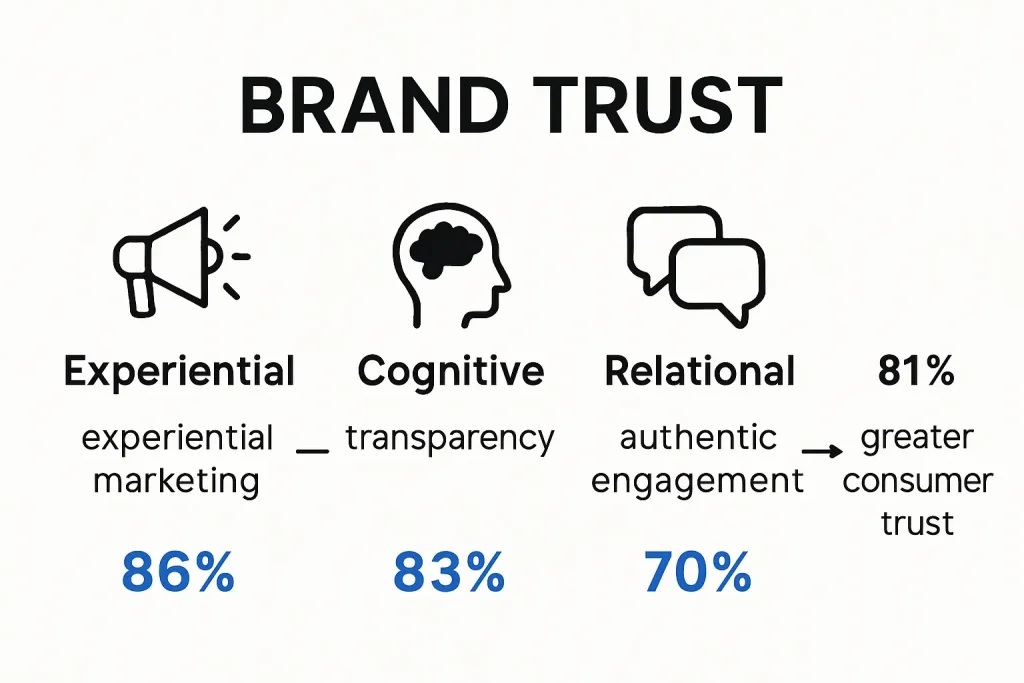
Customers often want to see evidence that a business is active, legitimate, knowledgeable, and responsive. A consistent social presence can help provide that evidence.
Businesses can demonstrate credibility through:
- Educational content
- Customer reviews
- Testimonials
- Behind-the-scenes content
- Case studies
- Product demonstrations
- Expert opinions
- Customer interactions
- User-generated content
However, polished content alone is not enough. In 2026, audiences increasingly value human and authentic content rather than content that feels overly manufactured. Current social research highlights human-generated content and authenticity as major priorities for consumers.
9. Supports Social Media Advertising
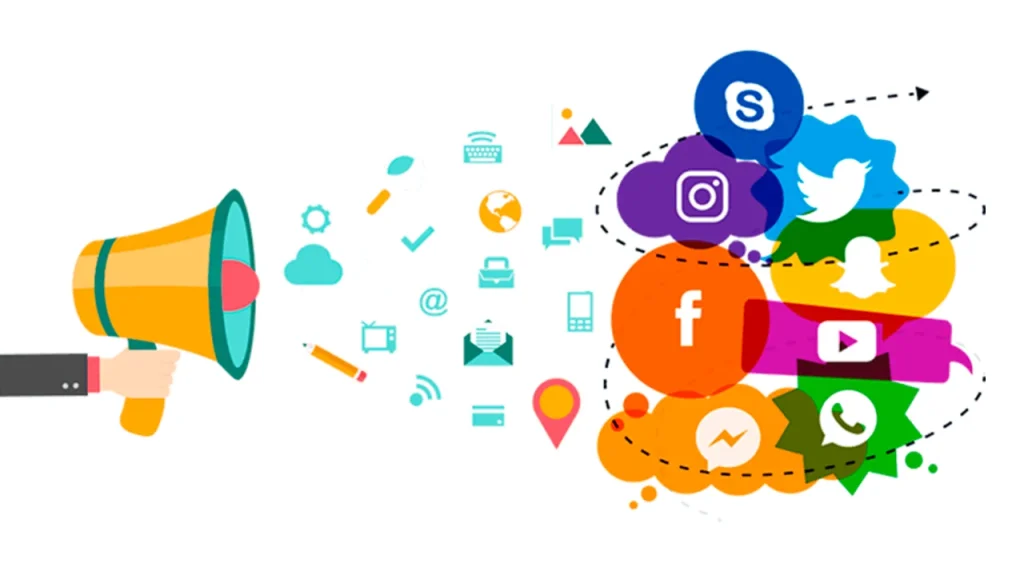
Organic content is only one part of social marketing. Businesses can also use paid advertising to reach specific audiences and support defined objectives. The benefits of social media advertising include the ability to test different:
- Audiences
- Creative concepts
- Offers
- Headlines
- Videos
- Calls to action
- Landing pages
A business can also retarget people who previously interacted with its content or visited its website, depending on the platform and available data.
10. Gives Businesses Measurable Marketing Data
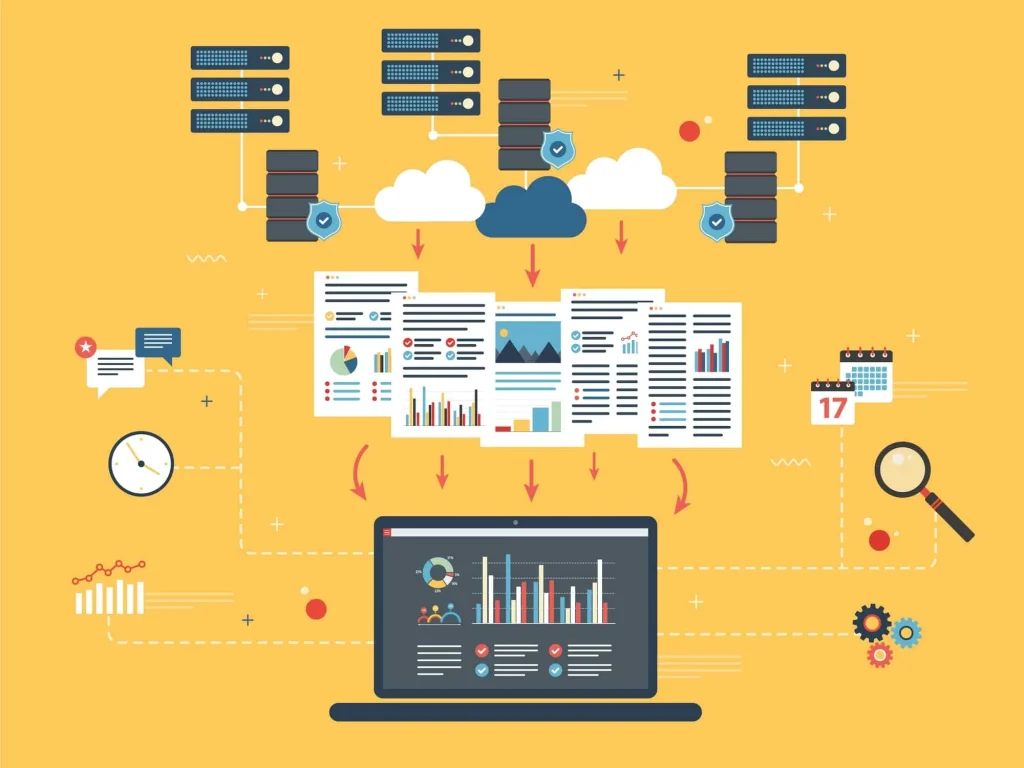
Another major benefit is measurement. Social platforms provide performance data that can help marketers understand what is working and what needs improvement. Some important metrics can include:
- Reach
- Impressions
- Engagement
- Video views
- Click-through rate
- Website traffic
- Leads
- Conversions
- Cost per lead
- Return on ad spend
- Customer acquisition cost
This allows businesses to move from assumptions to evidence. For example, if educational videos consistently generate more qualified leads than promotional posts, the business can adjust its content strategy accordingly.
What Matters Most to Social Media Users?
Users generally want content that gives them a reason to stop scrolling. That may mean content that is:
- Useful
- Entertaining
- Relevant
- Authentic
- Easy to understand
- Visually interesting
- Timely
- Relatable
Pros of Social Media for Businesses
The main pros of social media include its reach, flexibility, direct communication, targeting capabilities, and access to audience insights. However, businesses should also understand that social media has challenges.
Algorithms change, competition is high, content requires consistency, negative feedback can become public, and paid advertising can become expensive without proper testing and optimization.
Therefore, social media marketing should be treated as a long-term business channel rather than a quick shortcut to sales.
Final Thoughts
The benefits of social media marketing go far beyond increasing followers or receiving likes.
In 2026, social media is also becoming increasingly important for discovery and research. People are using social platforms to find products, explore brands, consume recommendations, and decide what deserves their attention.
The businesses that benefit most will not necessarily be the ones that post the most. They will be the ones that understand their audience, create useful and authentic content, choose the right platforms, and connect social activity to measurable business outcomes.
That is what turns social media from a posting channel into a genuine SMM business growth tool.
FAQs
1. How often should a business post on social media?
There is no universal posting frequency; consistency and content quality matter more than posting as often as possible.
2. Which social media platform is best for businesses?
The best platform depends on your target audience, industry, content format, and business goals rather than overall platform popularity.
3. Can social media marketing work for small businesses?
Yes. Small businesses can use organic content, community engagement, and targeted advertising to reach relevant audiences without large budgets.
4. How can businesses improve social media marketing results?
Set measurable goals, understand your audience, test different content formats, and regularly use performance data to improve your strategy.