

Many businesses invest in websites but struggle to get quality leads or customers who have a buying intent. What is SEM? Search engine marketing allows businesses to appear at the top of search engine results through paid advertising. It helps them reach potential customers at the exact moment they are searching for relevant products or services.
What Is SEM?
Search Engine Marketing (SEM) is a digital marketing strategy that uses paid advertisements to increase a website’s visibility on search engine results pages (SERPs). SEO focuses on earning organic rankings over time, whereas search engine marketing allows businesses to bid on keywords so their ads appear when users perform relevant searches.
Today, SEM is one of the fastest ways to generate qualified website traffic because it targets users with high purchase intent. Businesses only pay when someone clicks their advertisement, making it a performance-based marketing channel.
As an important component of SEM in digital marketing, it helps companies increase brand visibility, generate leads, and improve online sales through highly targeted campaigns.
How Does Search Engine Marketing Work?
Search Engine Marketing operates through an auction-based advertising system. The process includes the following steps:
- Select relevant keywords your audience searches for.
- Create advertisements
- Set campaign objectives and budgets
- Bid on targeted keywords
- Launch advertisements on search engines
- Monitor campaign performance
- Optimize campaigns based on real-time data
When users search using selected keywords, the search engine evaluates several factors. These factors include bid amount, ad quality, and landing page relevance, before determining which advertisements appear.
This combination of bidding and quality scoring ensures users receive highly relevant search results while advertisers maximize their return on investment.
Why Is Search Engine Marketing Important?
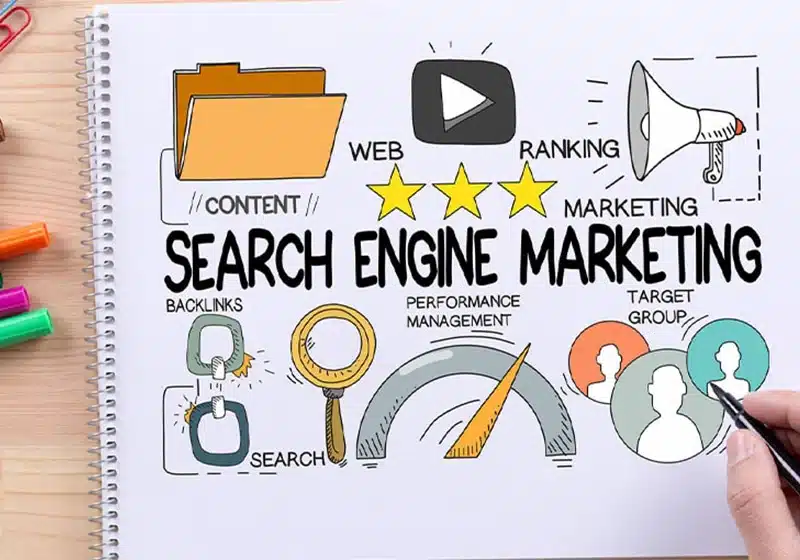
Businesses use online search engine marketing because it delivers results much faster than many other digital marketing strategies. Some of its benefits include:
- Immediate visibility on search engines
- Highly targeted audience reach
- Flexible advertising budgets
- Measurable campaign performance
- Improved lead generation
- Increased online sales
- Better return on advertising spend (ROAS)
Because campaigns are continuously optimized, businesses can identify which keywords, audiences, and advertisements generate the highest conversions.
How Do SEM Ads Work?
SEM ads are paid advertisements displayed on search engine results pages. They appear above or below organic search listings and are clearly identified as sponsored content. Common ad formats include:
Search Ads
Text-based advertisements that appear when users search for specific keywords.
Shopping Ads
Product listings that display images, pricing, reviews, and retailer information.
Display Ads
Visual advertisements shown across websites within advertising networks.
Performance Max Campaigns
AI-based campaigns for advertisements across multiple Google platforms, including Search, Display, YouTube, Gmail, and Maps.
Each ad format facilitates different business objectives.
What Are the Key Components of a SEM Strategy?
A successful search engine marketing strategy is not about creating advertisements only but also requires continuous planning, testing, and optimization. The most effective strategy includes:
Keyword Research
Identifying high-intent keywords that customers might be actively searching for.
Audience Targeting
Defining demographics, locations, devices, and user behavior to improve campaign relevance.
Ad Copy Creation
Writing great hooks, headlines and descriptions that encourage users to click.
Landing Page Optimization
Ensuring visitors arrive on pages designed to convert them into leads or customers.
Performance Tracking
Monitoring key metrics such as click-through rate (CTR), conversions, cost per acquisition (CPA), and return on ad spend.
These elements create campaigns that focus on both visibility and profitability.
What Is Google Search Engine Marketing?
Advertisement through Google ads is often referred to as Google search engine marketing. Google remains the world’s largest search engine, allowing businesses to reach millions of users searching for products and services every day. Therefore, Google Ads offers several campaign types, including:
- Search Campaigns
- Display Campaigns
- Shopping Campaigns
- Video Campaigns
- App Campaigns
- Performance Max Campaigns
Its advanced targeting capabilities and detailed reporting make it one of the most amazing advertising platforms available.
Why Is SEM Optimization Important?
Launching campaigns is the start of doing search engine marketing. It requires continuous SEM optimization for improving campaign performance while reducing advertising costs. Some of the optimization activities include:
- Adjusting keyword bids
- Improving ad quality
- Refining audience targeting
- Testing multiple ad variations
- Optimizing landing pages
- Eliminating underperforming keywords
- Improving Quality Score
Many businesses work with a dedicated SEM optimizer to ensure campaigns remain competitive and continue delivering best results.
Search Engine Marketing Tools Every Business Should Know
A good ad campaign depends on accurate data and ongoing analysis. Several search engine marketing tools help marketers manage, monitor, and optimize advertising campaigns. Some of them are:
- Google Ads
- Google Keyword Planner
- Google Analytics 4
- Looker Studio
- Microsoft Advertising
- SEMrush
- Ahrefs
These platforms provide valuable insights into keyword performance, audience behavior, budget allocation, and more.
How Does Search Engine Marketing Analysis Improve Results?
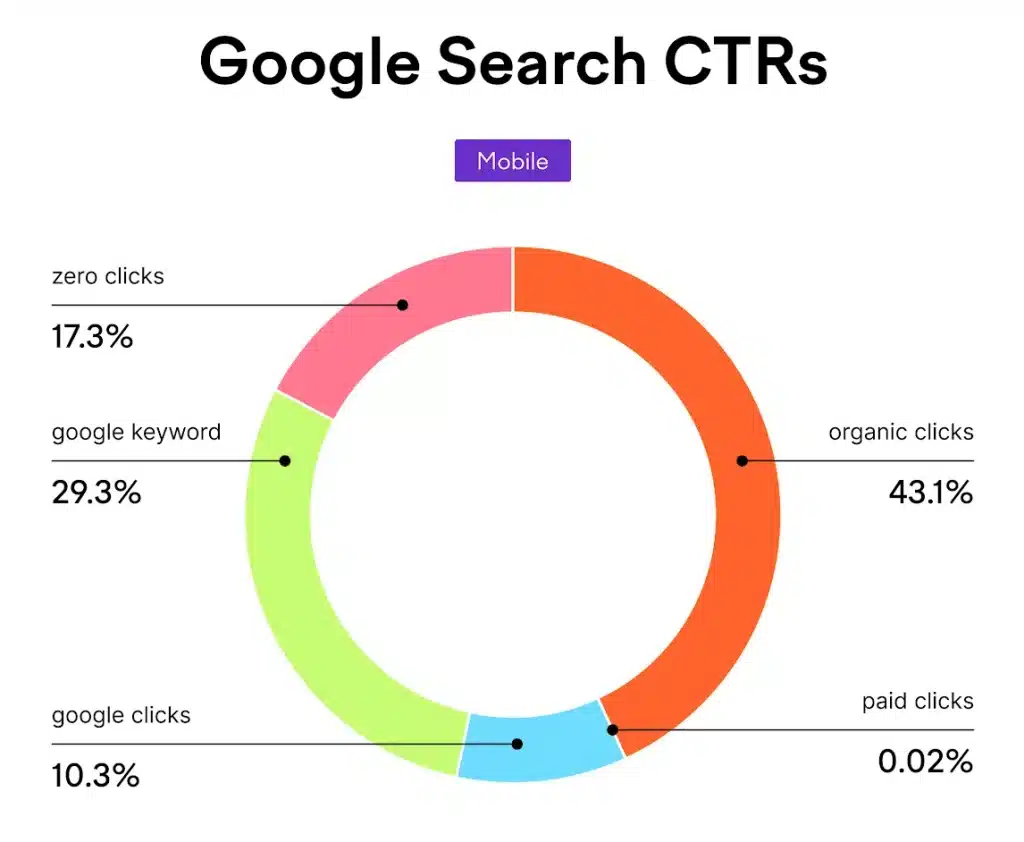
A good campaign relies on continuous search engine marketing analysis rather than one-time setup. Regular analysis helps businesses understand:
- Which keywords generate conversions
- Which advertisements receive the highest click-through rates
- Which landing pages perform best
- How users interact with advertisements
- Where advertising budgets should be allocated
Monitoring these insights allows marketers to increase SEM traffic and reduce unnecessary advertising expenses. For official guidance on Google Ads and campaign management, visit the Google Ads Help Center.
Why Work with a Search Engine Marketing Expert?
Managing SEM campaigns requires technical expertise, continuous monitoring, and informed decision-making. A search engine marketing expert can help businesses:
- Conduct advanced keyword research
- Improve campaign quality scores
- Optimize advertising budgets
- Increase conversion rates
- Develop scalable advertising strategies
- Generate higher returns on investment
Many organizations also partner with agencies offering search engine marketing services to gain access to experienced specialists and advanced campaign management tools.
Final Remarks
Search engine marketing provides businesses with an opportunity to reach high-intent audiences. It also helps in generating website traffic, and achieving business outcomes through targeted advertising.
However, successful SEM requires strategic planning, continuous optimization, performance analysis, and ongoing refinement. By combining the right keywords, ad copy, optimized landing pages, and data-driven decision-making, businesses can maximize their advertising investment. They can also achieve sustainable growth in an increasingly competitive digital market.
Frequently Asked Questions
1. What Is Search Engine Marketing?
SEM is a paid digital marketing strategy that increases website visibility by displaying advertisements on search engine results pages.
2. How does SEM works?
Search engine marketing works by allowing advertisers to bid on keywords so their ads appear when users search for relevant products or services.
3. What is the difference between SEO and SEM in digital marketing?
SEO focuses on improving organic search rankings, and SEM in digital marketing uses paid advertisements to achieve immediate visibility and get qualified traffic.
4. Which search engine marketing tools are commonly used?
Some search engine marketing tools include Google Ads, Google Analytics 4, Google Keyword Planner, SEMrush, Ahrefs, and Microsoft Advertising.